Transfer temperatures for flock and flex films
Find out which transfer temperatures are important for flock and flex films. We’ll give you some guidelines for achieving the best results.
Why is the transfer temperature important for flex and flock films?
The correct transfer temperatures for flock and flex films are crucial for achieving optimal and long-lasting results – that much is clear!
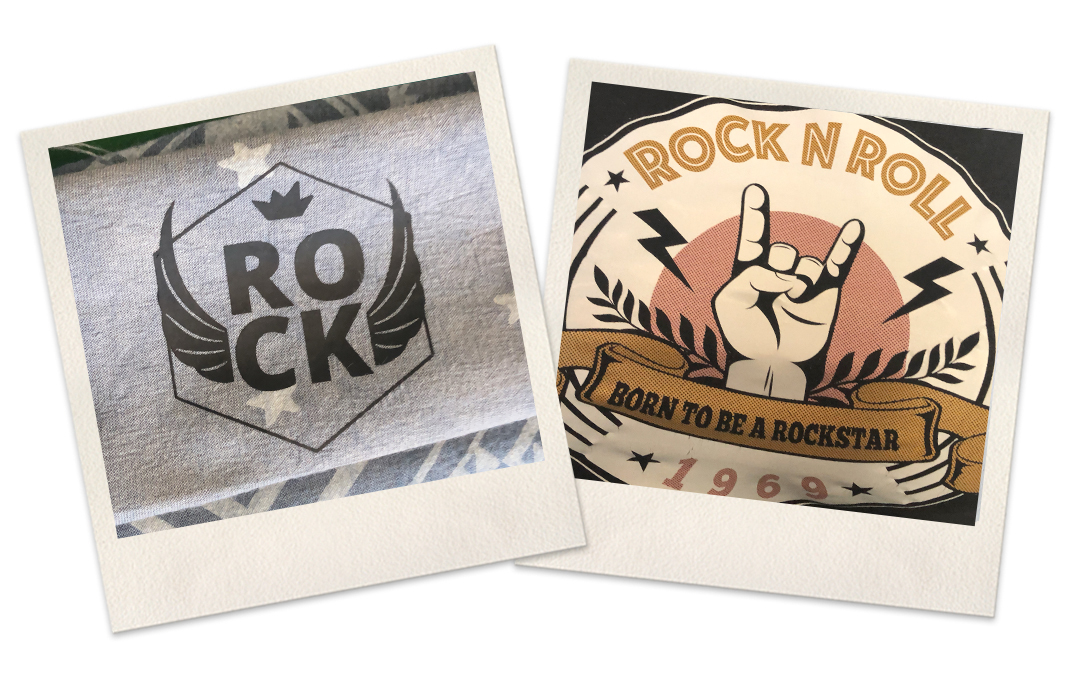
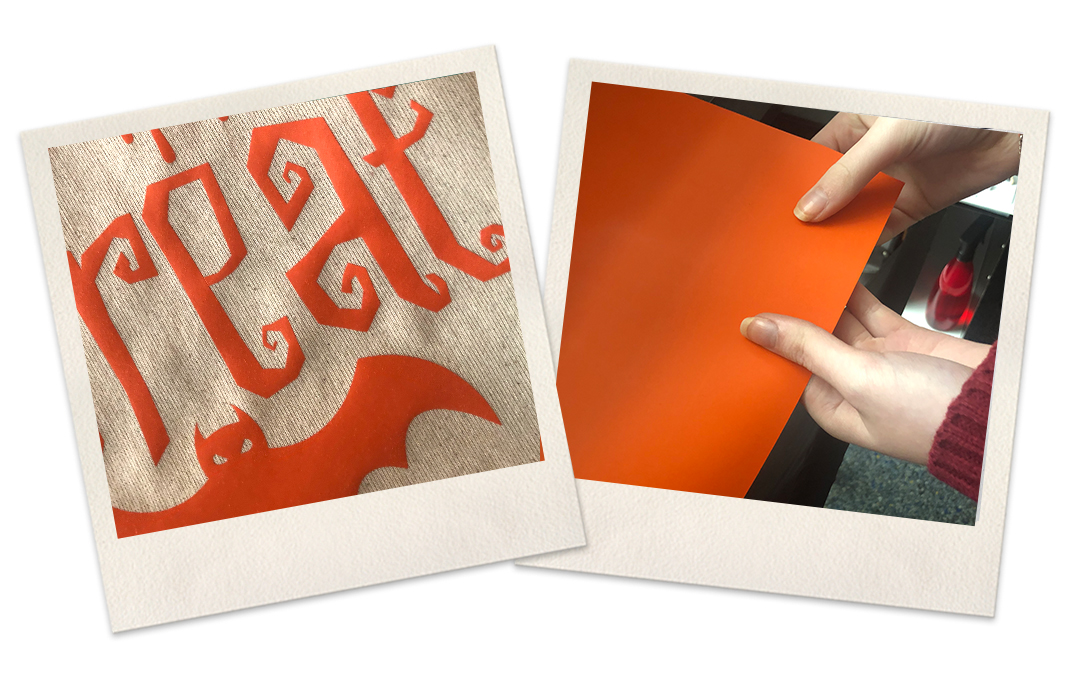
Textile finishing with flex and flock films is a common process for producing single- and multi-colour transfers on various items of clothing and accessories. Flex films consist of a thin PU or PVC film with a hot-melt adhesive layer and a transparent backing. Flock films, on the other hand, consist of small bundles of fibres.
The correct transfer temperature plays a crucial role in achieving optimal results. If the temperature is too low, the films will not adhere properly to the fabric and may peel off during washing or wear. If, on the other hand, the temperature is too high, there is a risk of damaging the fabric or causing the film to melt.
It is therefore important to follow the recommended transfer temperatures, which may depend on various factors such as the printing technology, the material used and the equipment. Guideline values can serve as a guide, but should be regarded as non-binding information. Setting the time and temperature correctly ensures that flex and flock films adhere to textiles permanently and to a high standard.
We have compiled some (non-binding) guidelines for transfer temperatures and times to make working with flock and flex films easier for you. TheYOW! online shop has a huge range, so there are also several sets of guidelines – organised by manufacturer. Important note: The following values are for guidance only.
Which flock and flex films have which transfer temperatures?
Stahl’s digital printing film
Duration: 10s
Temperature: 160°C
Application pressure: medium
Stahl’s Flexfolie Basic
Duration: 15s
Temperature: 160°C
Application pressure: medium
Stahl’s Premium Flex Foil
Duration: 10–15 seconds
Temperature: 150°C–160°C
Application pressure: medium
Stahl’s Flexfolie Premium Plus
Duration: 8–10 seconds
Temperature: 150°C
Application pressure: medium
Stahl’s Flexfolie Premium Plus Sublistop
Duration: 8s
Temperature: 140°C
Application pressure: medium
Stahl's Flexfolie Glitter
Duration: 10s
Temperature: 150°C
Application pressure: medium
Stahl’s Flexfolie Effect
Duration: 10s
Temperature: 150°C
Application pressure: medium
PoliTape Flex Nylon Film
Duration: 3–4 seconds
Temperature: 145°C–150°C
Application pressure: light to medium
PoliTape Flex Foil Glitter
Duration: 15–20 seconds
Temperature: 155°C–165°C
Application pressure: medium
PoliTape Flex Foil – jeans
Time: 17–20 seconds
Temperature: 155°C–165°C
Application pressure: medium
Oki White Toner
Duration: 30s
Temperature: 150°C–160°C
Application pressure: medium
SEF Flex Foil RocketCut
Duration: 3s
Temperature: 150°C
or
Duration: 10s
Temperature: 125°C
Application pressure: medium to high
SEF FlexFilm FlexCut
Duration: 8–10 seconds
Temperature: 160°C
Application pressure: medium/high
SEF FlexFilm FlexCut Advance
Duration: 10–15 seconds
Temperature: 155°C–165°C
Application pressure: medium/high
SEF Flex Foil FlexCut Sweet
Duration: 15s
Temperature: 165°C
Application pressure: medium/high
SEF FlexFilm FlexCut Nylon
Duration: 3–4 seconds
Temperature: 145°C–150°C
Application pressure: light/medium
SEF Flex Foil Sublistop SBB Optima
Duration: 15–20 seconds
Temperature: 155°C
Application pressure: medium
SEF VelCut Premium neon flock film
Duration: 20s
Temperature: 150°C–165°C
Application pressure: medium/high
SEF VelCut flock film
Duration: 20s
Temperature: 150°C–165°C
Application pressure: medium to high
SEF Flexfoil Metalflex
Duration: 15s
Temperature: 160°C–170°C
Application pressure: medium

SEF Flex Foil ReflexCut
Duration: 15s
Temperature: 150°C
Application pressure: medium/high
SEF Flexfolie FlexCut Advance neon
Duration: 15s
Temperature: 165°C
Application pressure: medium
SEF Flexfolie FlexCut Night Club
Duration: 15s
Temperature: 165°C
Application pressure: medium/high
SEF FlexFilm FlexCut GITD
Duration: 15s
Temperature: 165°C
Application pressure: medium/high
General tip: We always recommend a post-press for approx. 1–5 seconds, as this ensures an optimal bond between the film and the fabric.
Tip: Transfer temperatures are crucial when working with flock and flex films!
As a general rule, manufacturers’ specifications regarding temperature, time and pressure for specific transfers should always be regarded as guidelines only. These values may well vary depending on the type of transfer press used or other environmental factors. Factors such as high humidity, ambient temperatures and transfer presses that do not heat up evenly can all lead to variations. It is best to carry out tests in advance to find out which parameters are right for your textile printing, even if they differ from the specified guidelines.