Transfer Temperatures Part 2: Sublimation & White Toner
Find out what role transfer temperatures play in sublimation and white toner transfer to ensure perfect results.
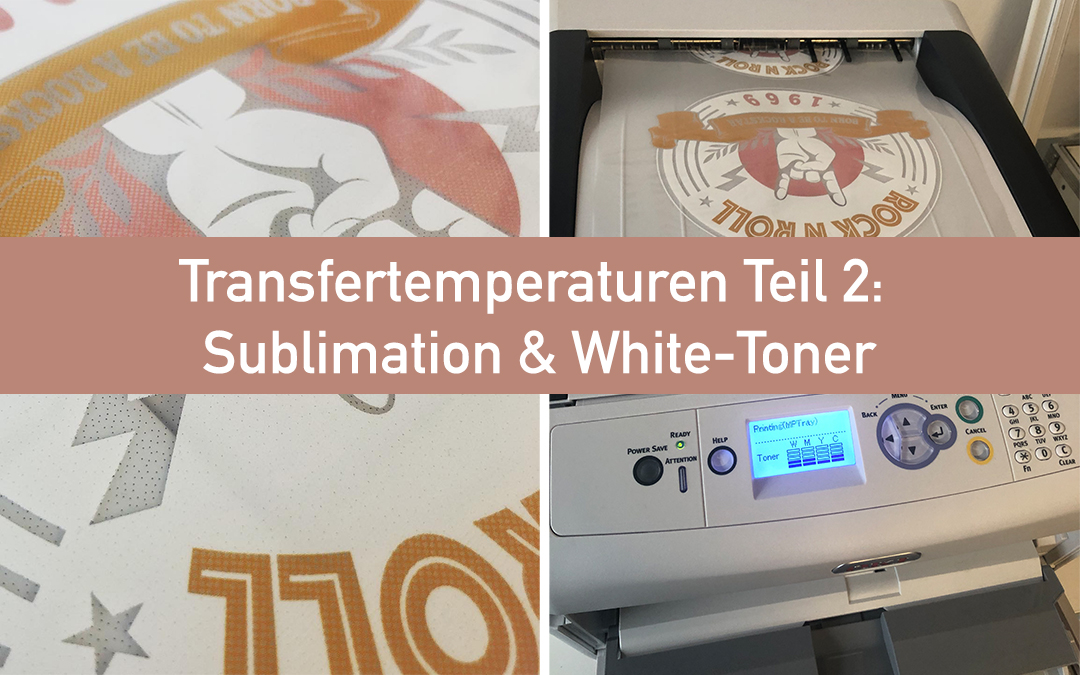
What role does the transfer temperature play in sublimation and white-toner transfer?
Following on from our blog post about transfer temperatures for flex and flock films, today we’d like to explain why transfer temperatures also play a crucial role in sublimation and white toner transfer
What is sublimation?
In the sublimation process, a substance transitions directly from a solid to a gaseous state without passing through a liquid state. In creative technology, this process is used to dye polyester fabric.
In this process, the sublimation ink is transferred onto the polyester material at a high temperature. The polyester fibres open up, the sublimation pigments turn into a gaseous state and penetrate the material. The colours bond with the polyester surface and become permanently embedded within it.
The sublimation process takes place at around 190 °C. The sublimation ink is printed onto special, coated transfer paper. When heated in a transfer press, the dye is released from the paper and bonds with the polyester molecules.
Sublimation is suitable not only for polyester textiles, but also for surfaces with a polyester coating, such as mugs, tiles and mouse pads.
For the sublimation ink to adhere, the printing substrate must have a polymer coating, usually polyester. The transfer is ideally carried out on white surfaces, as surfaces of other colours can affect the design.
The sublimation process is used for printing on textiles, mugs, mousepads and even in the manufacture of skis, skateboards and flags. It is used cost-effectively and to a high standard of quality both in industrial applications and for one-off items and large print runs.
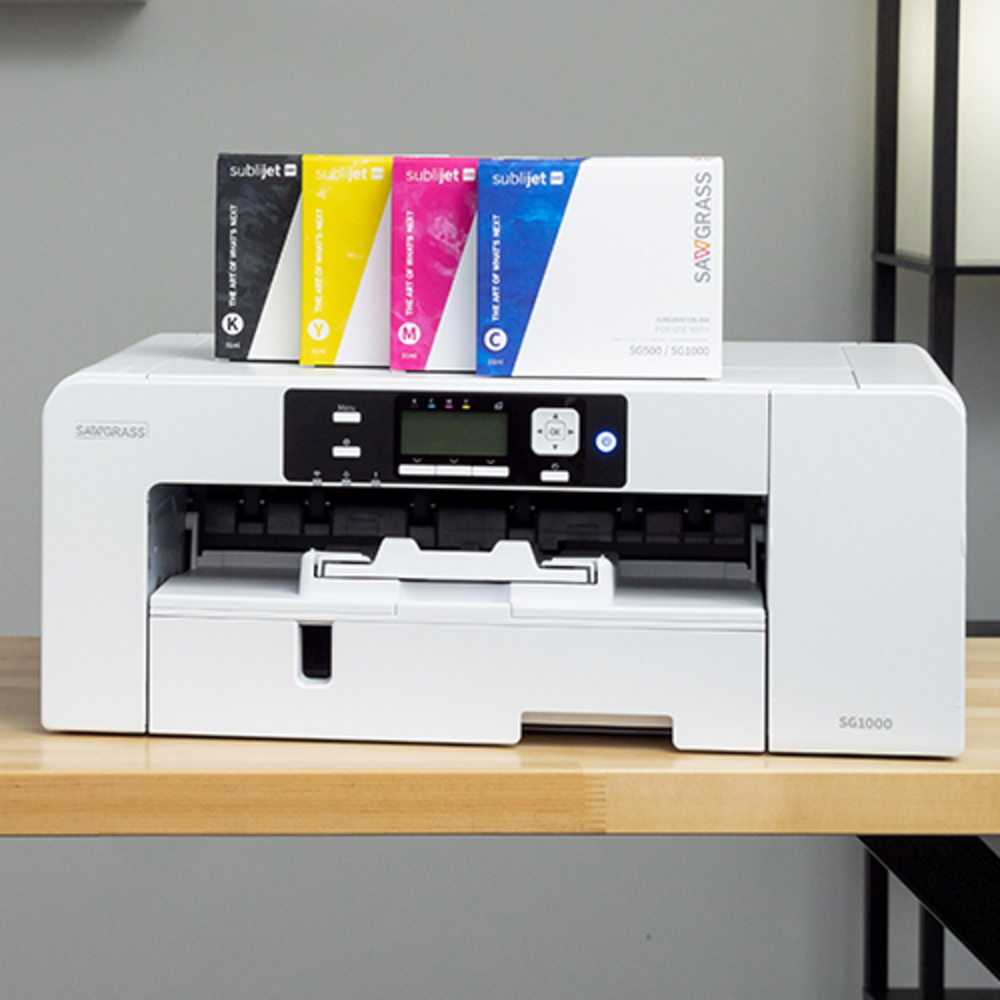
In the YOW! shop, we offer a range of sublimation printers, as well as gel inks and the appropriate sublimation paper. But let’s take a look here at the corresponding transfer temperatures for sublimation and white-toner transfers:
Transfer temperatures for sublimation products
Subli ceramic money box: 180°C for 180 s; contact pressure: high
Wunderboard: 180 °C for 130 s; contact pressure: 140 g/cm²
Sequins: 180 °C for 120 s; contact pressure: moderate
Sublimation mousepad: 200 °C for approx. 50 s
Sublimation jigsaw puzzle: 185°C for 50 s; contact pressure: medium
Blank lanyard: 200 °C for 40–60 s
Sublimation mugs: 200 °C for 180–200 s; contact pressure: medium to high
Stainless steel mug: 200 °C for 180 s; contact pressure: high
Beer mug: depending on the transfer press, 200 °C for 240–360 s; in the oven at 180 °C using a Hot Mug mug clamp for 16 minutes
Aluminium water bottle: 180 °C for 140 s; contact pressure: light
Subli sandals: 180 °C for 120 s
Sublimation textiles: 180 °C for 120 s
Shower towel: 180–190 °C for 50 s; contact pressure: medium to high
Barbecue apron: 180–190 °C for 50 s; contact pressure: medium to high
Sublimation cushion cover: 180–190 °C for 50 s; contact pressure: medium to high
Doormat: 180–190 °C for 50 s; contact pressure: medium to high
What role does the transfer temperature play in white toner?
What is the white toner transfer process?
The white toner transfer process is a popular method in textile finishing and printing. It enables dark or coloured textiles and other materials to be printed with vibrant, full-colour designs printed against a white background.
The white toner transfer process uses a special printing toner which, in addition to the standard colours, also offers a white toner option. This white toner plays a crucial role, as it serves as a base for printing on dark materials and makes the colours stand out more effectively.
The process begins with the design being created on a computer. The design is then printed using a specialised printer equipped with the white toner. The design is printed in a mirror-inverted form onto transfer paper.
After printing, the transfer paper is placed onto the desired textile or material. Heat and pressure are then applied to transfer the design from the transfer paper onto the material. The white toner acts as a base for the colours, ensuring they appear vibrant and clearly visible, even on dark backgrounds.
The white-toner transfer process offers a wide range of applications. It can be used for printing on T-shirts, hoodies, bags, ceramics, wood, metal and many other materials. It enables high colour accuracy and attention to detail in full-colour designs on dark or coloured backgrounds.
This process makes it possible to produce impressive and personalised prints that meet a wide range of creative requirements. Whether for professional use or personal projects, the white toner transfer process opens up new possibilities in the world of printed design.
You’ll also find everything your heart desires for white toner transfer in the YOW! shop. Not only can you get a white toner printer from us at an affordable price, but also the A-film and B-paper required for the process .
Our films for laser printing using the white toner transfer process:
Forever Flex-Soft, Forever Laser-Dark, Forever Laser Light, Transfer Flock, Forever Antistick Matt Finish Economy, Hot Stamping Foil, Forever Antistick Glossy Finish, Forever Flex-Soft (set of 25)
We’d also like to provide you with an overview of the transfer temperatures for sublimation and white-toner transfer:
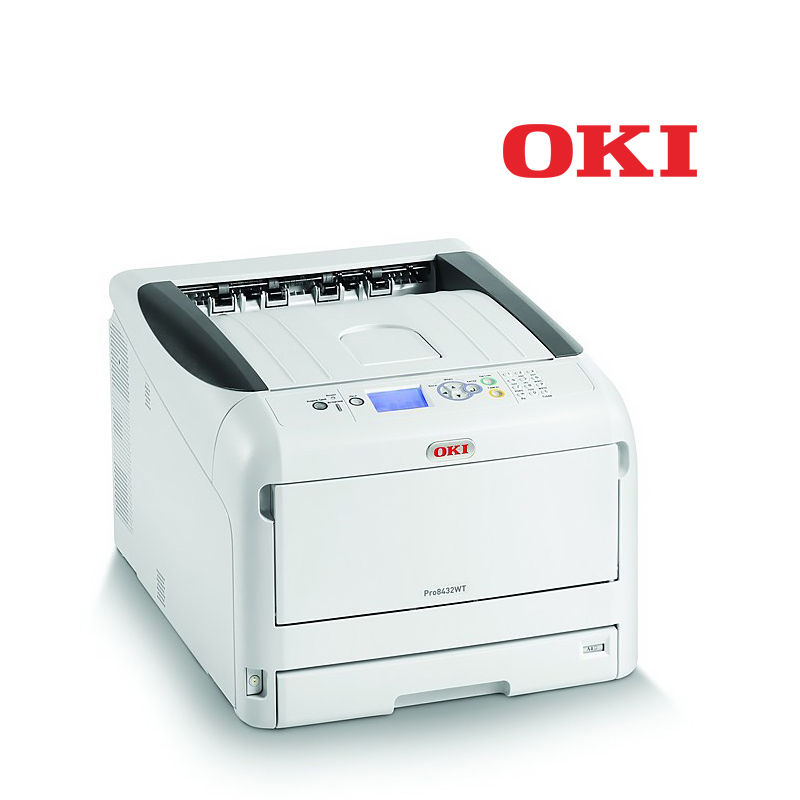
Transfer temperatures for white toner transfers
Transfer temperature:
Step 1: B paper onto A foil: 130–145 °C
Step 2: A foil onto fabric: 135–160 °C
Transfer time:
Step 1: B paper onto A foil: A4 90 s or A3 120 s
Step 2: A-foil onto fabric: 30 s
Transfer pressure: medium pressure
You can find the exact transfer instructions on the relevant page in the shop.
If you have any further questions, please contact us on our helpline on 0800 – 9697467. We’ll be happy to help!