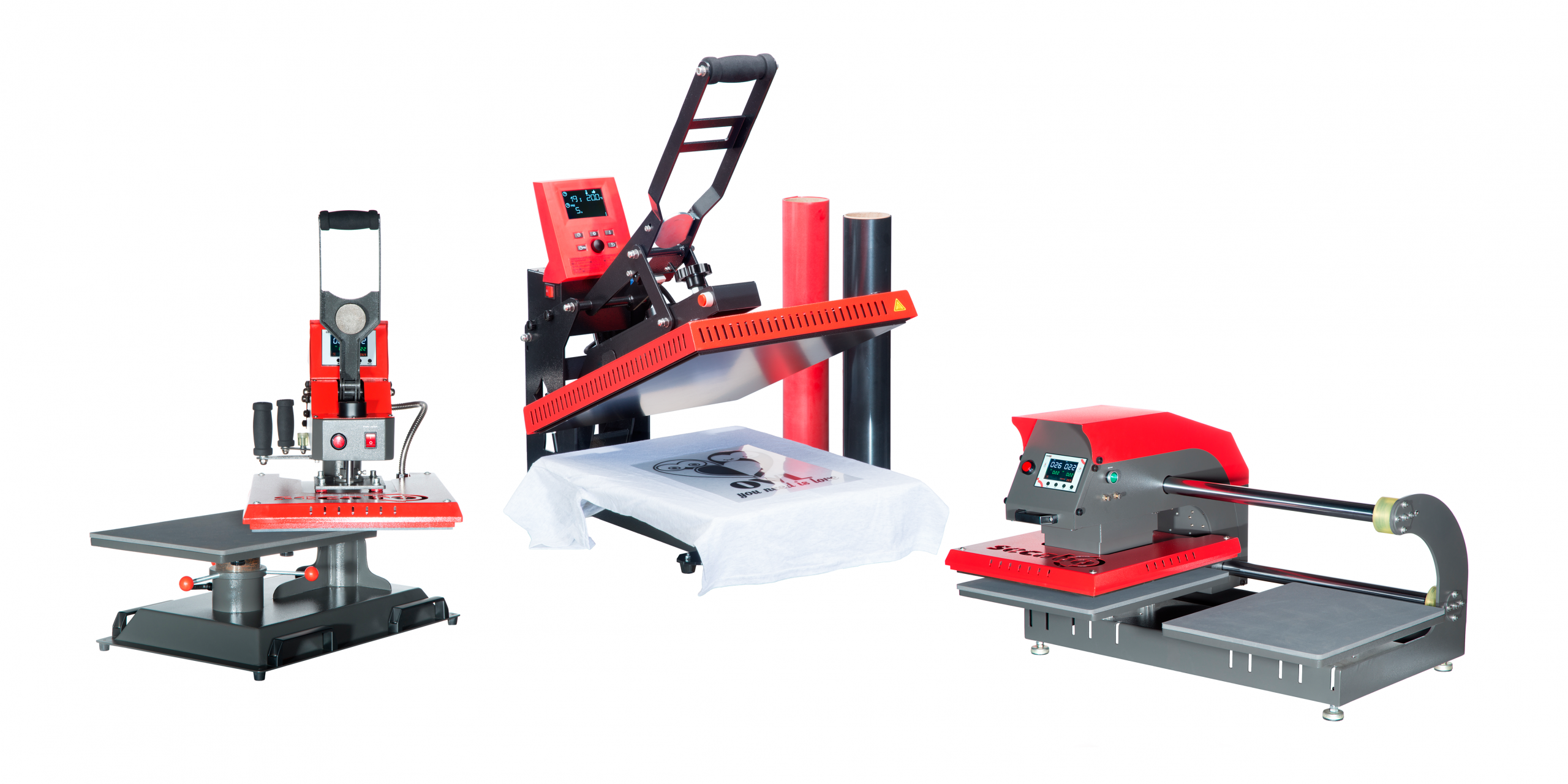
Transfer presses: Textile printing made easy
Transfer presses are particularly popular in textile printing. We have taken a closer look at the possibilities and areas of application for these presses.
Transfer presses are mainly used in textile printing, which is why the nickname ‘textile printing press’ is not entirely inappropriate. It is often worth investing in your own press, particularly for workwear and club clothing. Instead of paying a high price to have customised clothing printed, you can simply do it yourself. In this article, we’ll look at the possibilities a transfer press offers and how to use it.
A wide range of applications
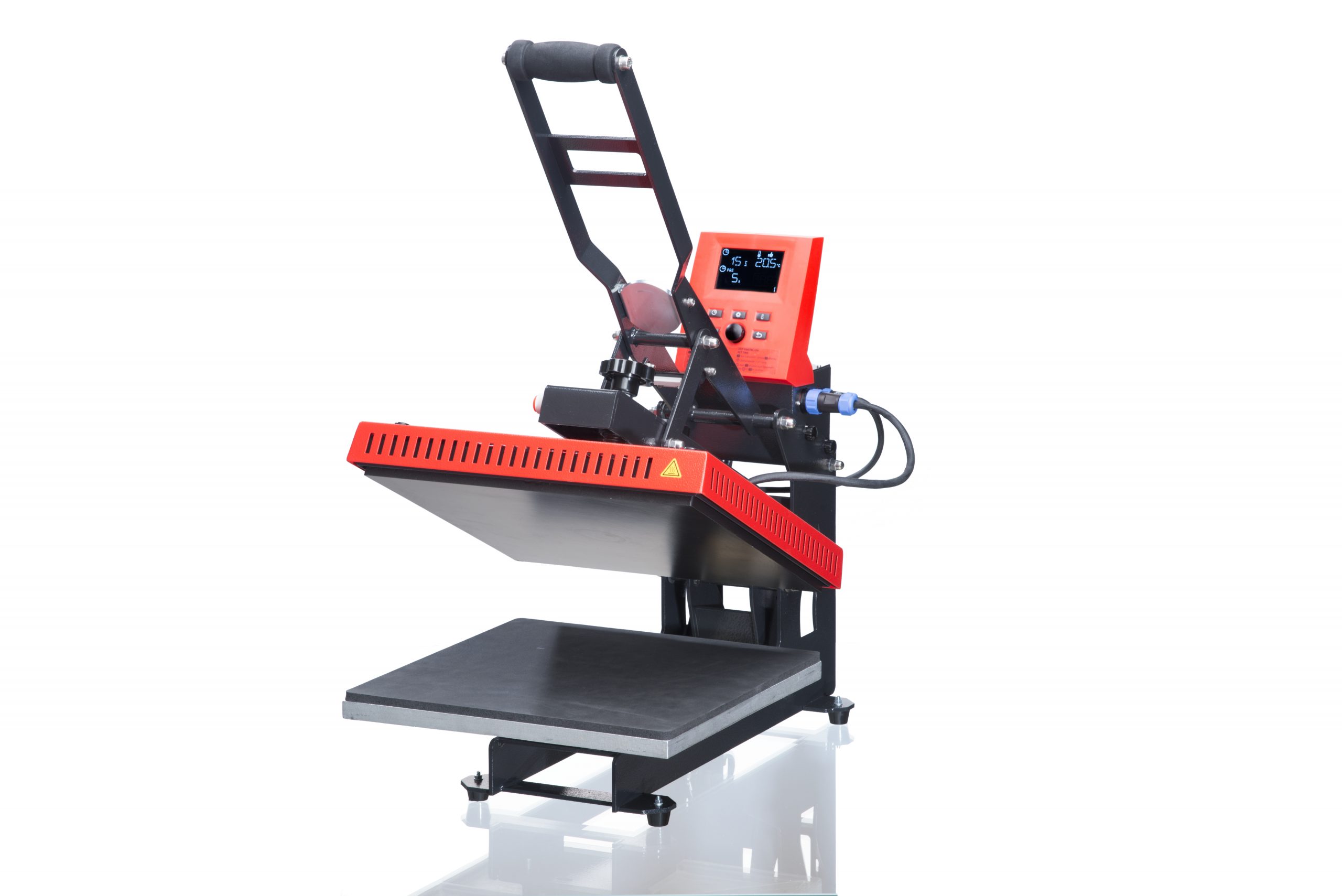
Although the transfer press – also known as a ‘heat press’ due to the heating process – is primarily used for textile printing, it also has other applications. For example, a wide variety of materials, such as ceramics, can be printed using the transfer press. However, particularly when it comes to textiles, you should ensure that you only use fabrics that can withstand the heating process of the heat press, such as cotton or polyester. It is therefore important to check in advance whether a specific material is suitable for the printing process using a heat press.
Adjusting contact pressure, time and temperature
Depending on the material, you need to apply the correct contact pressure, ensure the appropriate transfer time and use sufficient heat to guarantee the high quality and durability of the end product. For example, if the contact pressure is too low when printing on textiles, the design may not be sufficiently wash-resistant and will fade more and more with every wash. The contact pressure should therefore be set high enough, which can usually be easily adjusted on a standard press.
The contact pressure required for your specific textile can be determined based on various factors. Depending on the medium you use for printing – i.e. film, ink or flock – a recommended contact pressure is usually provided at the time of purchase, as this varies from material to material. If you do not have this information to hand, the following rule of thumb is recommended (measurable on pneumatic transfer presses): grams per cm² : length : width = contact pressure
To be absolutely sure, however, you should carry out a few test prints before the actual printing process. This is particularly advisable for larger production runs.
Unfortunately, there is no rule of thumb for temperature and time. Textiles require printing temperatures between 140° and 200°. Film manufacturers usually specify transfer parameters. However, these should only be taken as guidelines and may vary depending on the material and the transfer press. To be on the safe side, it is also advisable to carry out a test run at the intended printing temperature, followed by a wash cycle at 30°.
We have compiled a list of transfer parameters for the most common transfer media, which you can use as a guide: https://blog.y-o-w.com/2010/06/28/249/
Which press is the right one?
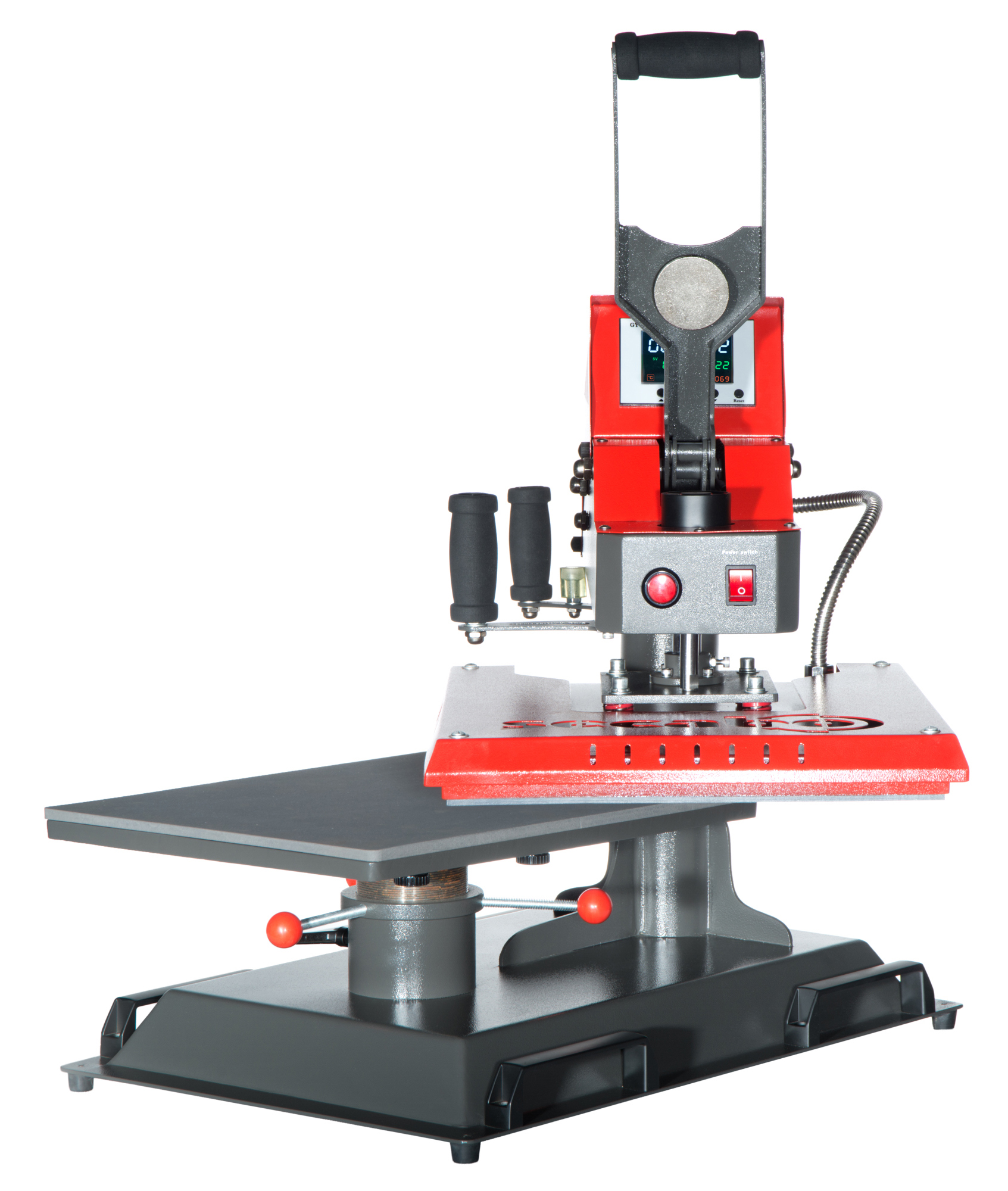
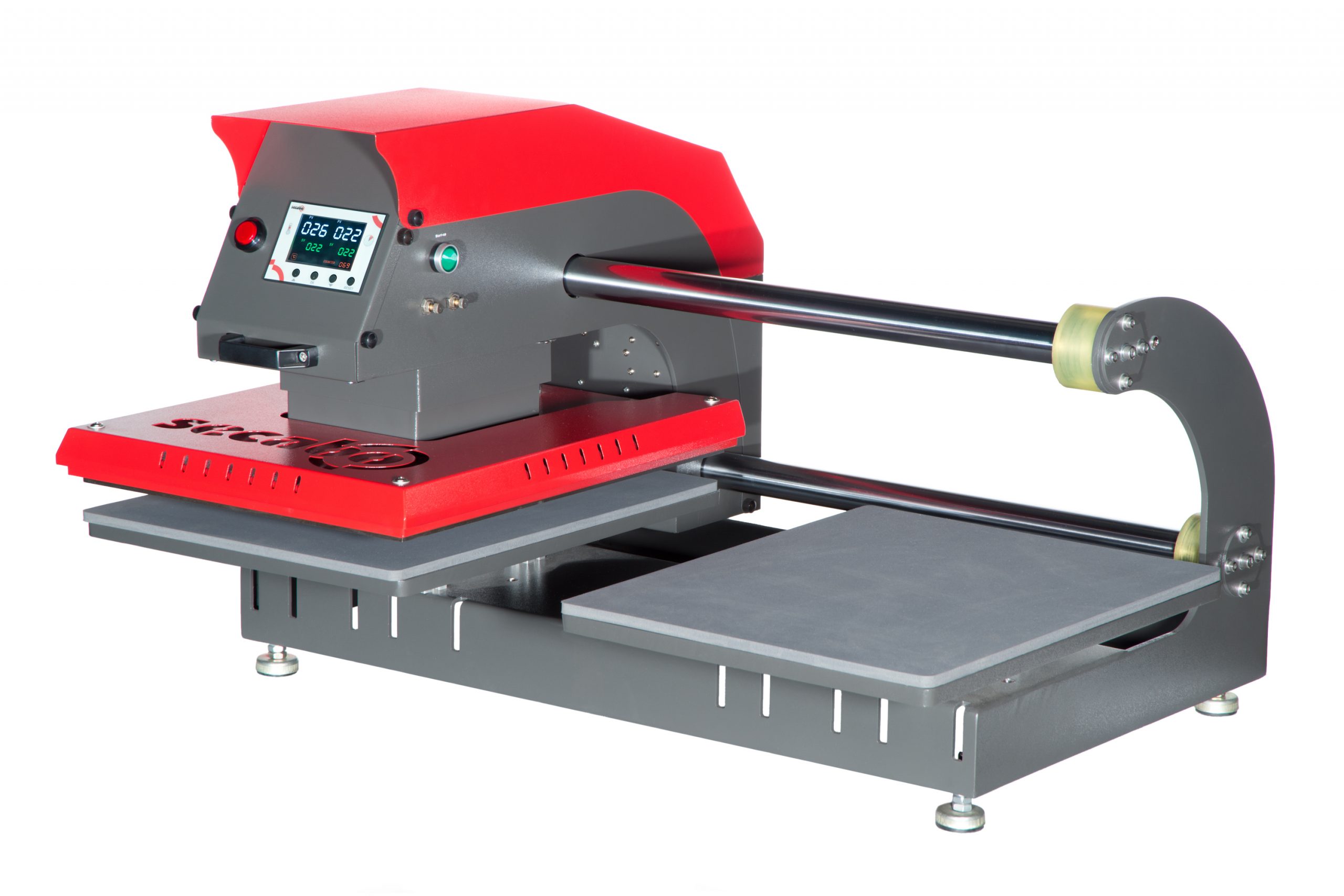
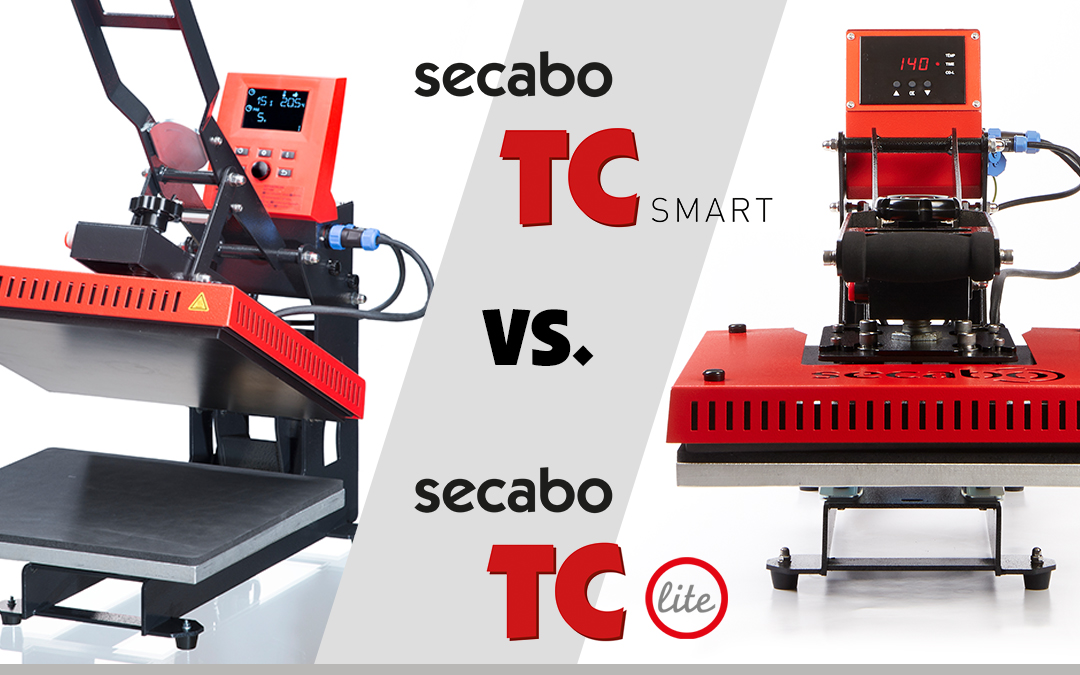
Once you’ve taken all these factors into account, nothing should stand in the way of a successful transfer print. Generally speaking, when buying a press, you should ensure that the temperature and contact pressure can be adjusted individually. This will allow you to print freely on a wide variety of different materials and textiles. Depending on your project, you should also choose between a toggle press, a swing-arm press and a pneumatic press. Incidentally, you’ll find a selection of high-quality second-hand transfer presses in our online shop. This way, you not only benefit from our expert assessment, but also save a fair bit of money without compromising on quality.