An interview with Ääd, the transfer press specialist
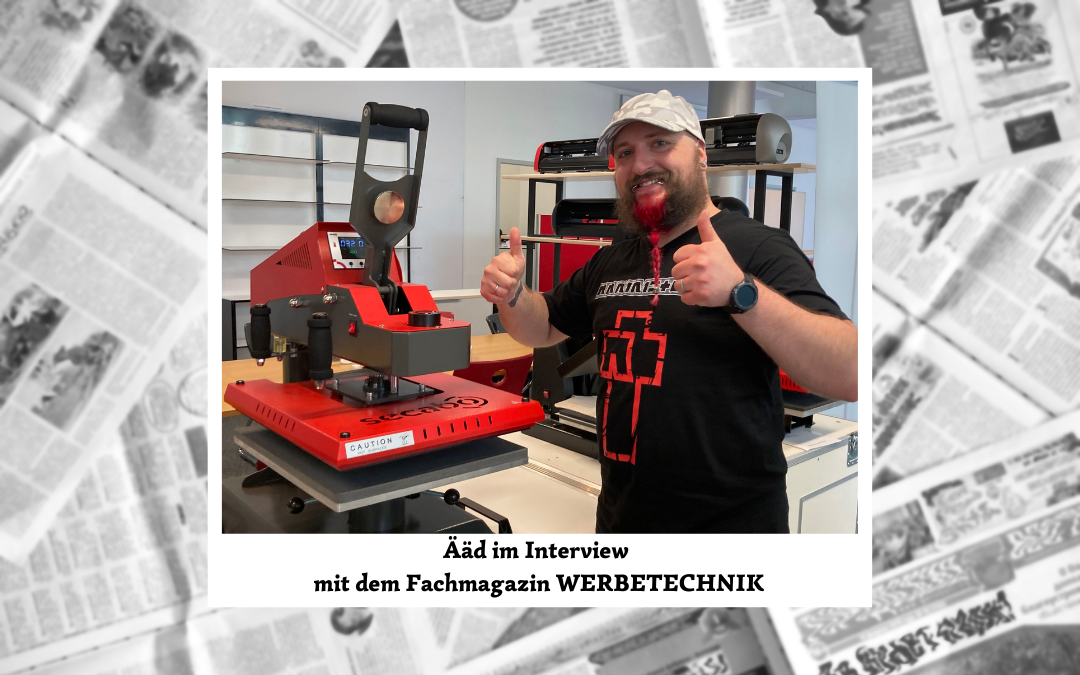
Ääd in an interview with the trade magazine WERBETECHNIK
The expertise of our Application Manager, Ääd, is now widely recognised and in high demand. He has now given an interview to the trade magazine WERBETECHNIK on the subject of SECABO transfer presses, explaining key details regarding their selection and operation:
What are the key features of a transfer press?
In my view, the key functions can be categorised into three points:
- Adjustable settings for time, temperature and pressure
- Good and even heat distribution across the heating plate
- Option to use different sizes of base plates where required
Clam, lift or swivel presses?
What are the differences between the various types of construction?
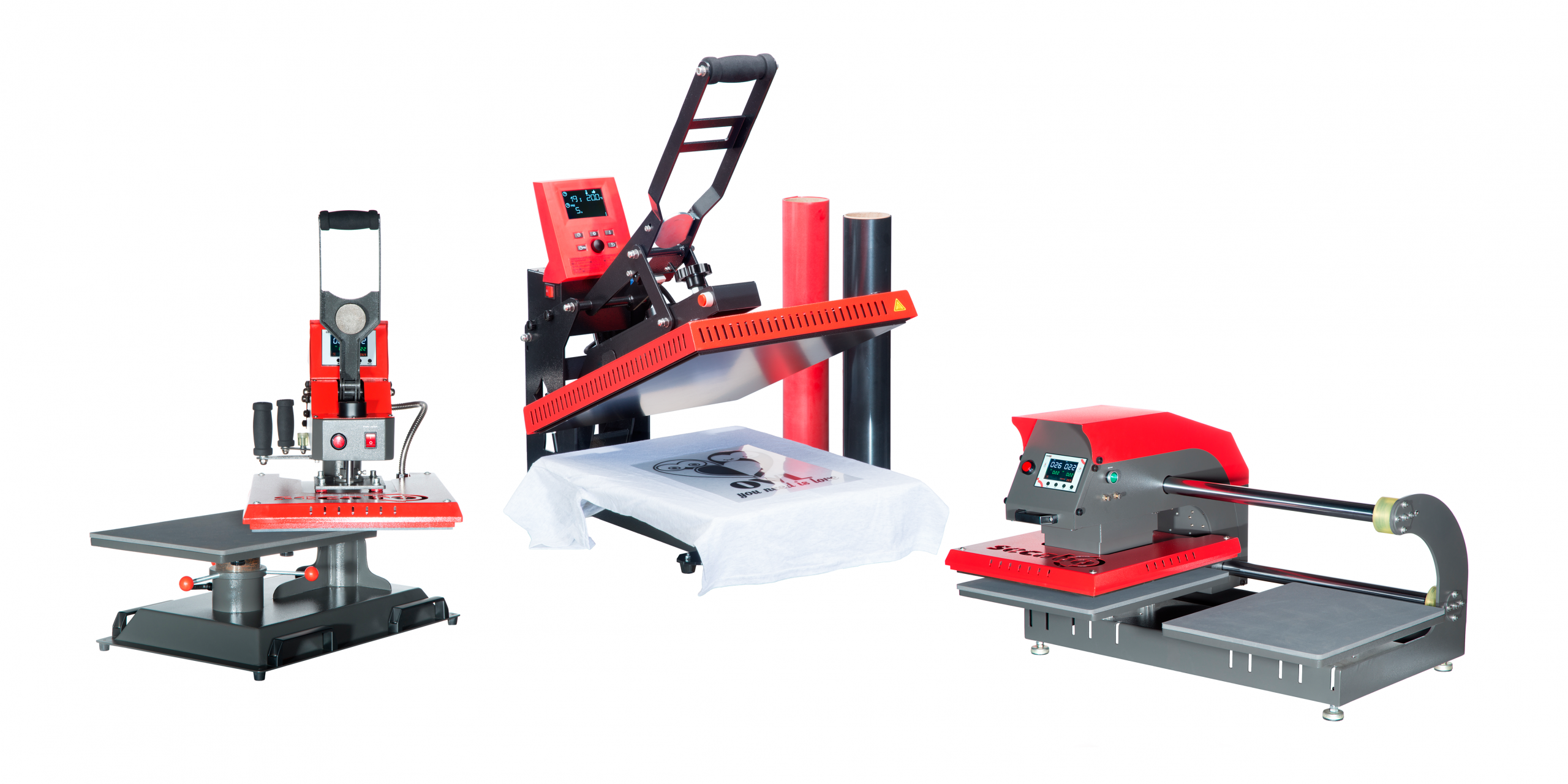
- Clampresses have an angled opening and closing mechanism and are the most affordable compared to the other two types of press
- Swing-away presses – also known as swingaway presses – open and close in parallel and swing to the side when open. This makes it easier to position textiles and transfers; there is no risk of burning your hand on the heating plate, and transfers do not slip as easily without thermal tape.
- Lift presses – also known as pneumatic presses – offer the same advantages as swing-away presses, as well as the convenience of opening and closing automatically at the touch of a button. This is less physically demanding for the operator, particularly when dealing with large production volumes. Of the three types, lift presses are the most expensive.
Which design is best suited to which purpose?
All types are equally suitable for finishing textiles and similar items; however, clamp presses are generally better suited to smaller budgets and small to medium-sized order volumes. Swing-arm presses are suitable for smaller to medium budgets; they are worthwhile for higher order volumes and when greater operational convenience is required, whilst plough presses are more commonly found in professional settings, are cost-effective for high order volumes and offer greater operational convenience – though they also cost more.
Manual, semi-automatic or fully automatic operation?
How do Secabo machines work, and what are their advantages?
Secabo mainly offers manual and semi-automatic presses. Only the TPD12 is fully automatic. Manual machines are more affordable, whilst the semi-automatic ones are more convenient. They also boost productivity.
Which operating mode is best suited to which purpose?
As with the design, this is best determined by the desired production volume:
- Manual operation is sufficient for small quantities
- Semi-automatic for larger quantities
- Fully automatic for very large quantities
Contact pressure
How important is a constant and repeatable contact pressure?
This is an extremely important factor, as it otherwise affects the other printing parameters – time and temperature. Ultimately, this in turn affects the durability of the transfers.
How much pressure must a machine be capable of exerting?
I wouldn’t base it on exact figures. The pressure depends on which transfer media you want to apply to which transfer substrate. It’s best to seek professional advice tailored to your specific requirements.
What time-related functions does a good transfer press need?
- The time scale should be large, freely adjustable and easy to set
- The timer should start automatically when the lid is closed and count down
- There should be an option for an audible alert when the time has elapsed, which can be switched on or off as required
- In addition, a good heat transfer press should allow you to set two different times. This is very useful when working with a main pressing time and a pre- or post-pressing time.
Temperature / Heating Technology
What type of heating system should a press have, and what are its advantages and disadvantages?
On this point, I would say quite clearly: a heating spindle in the cast aluminium plate. Whilst you have to expect a relatively long warm-up phase, cast aluminium has excellent heat retention and good temperature resistance.
What temperature ranges must be covered by transfer presses?
Textile transfer presses should have a temperature range of 120–200°C, whilst mug presses should be capable of reaching up to 220°C.
How can the press ensure a consistent temperature during the pressing process?
This is achieved by means of a built-in temperature sensor, which transmits the current temperature to the control unit, ensuring that any drop or rise in temperature is constantly compensated for.
If you have any further questions, please feel free to contact our sales team at any time on 0800 – 9697467 or at mail@y-o-w.com.