Creative technology: textile finishing using flock and flex films
Flock and flex films play a key role in the field of textile finishing for small to medium-sized runs. They enable textiles of all kinds to be customised and labelled quickly and cost-effectively.
How do I work with flock and flex films?
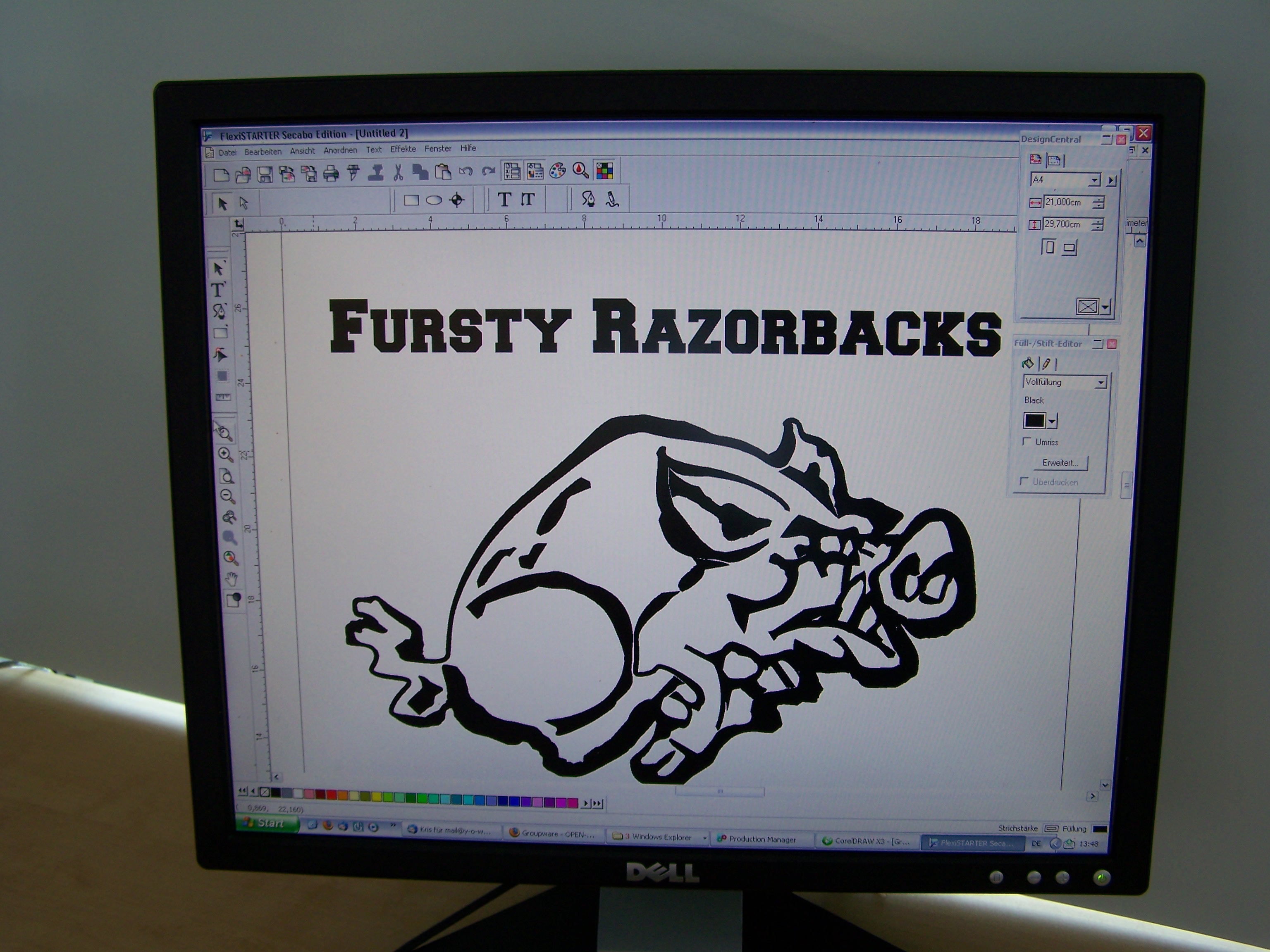
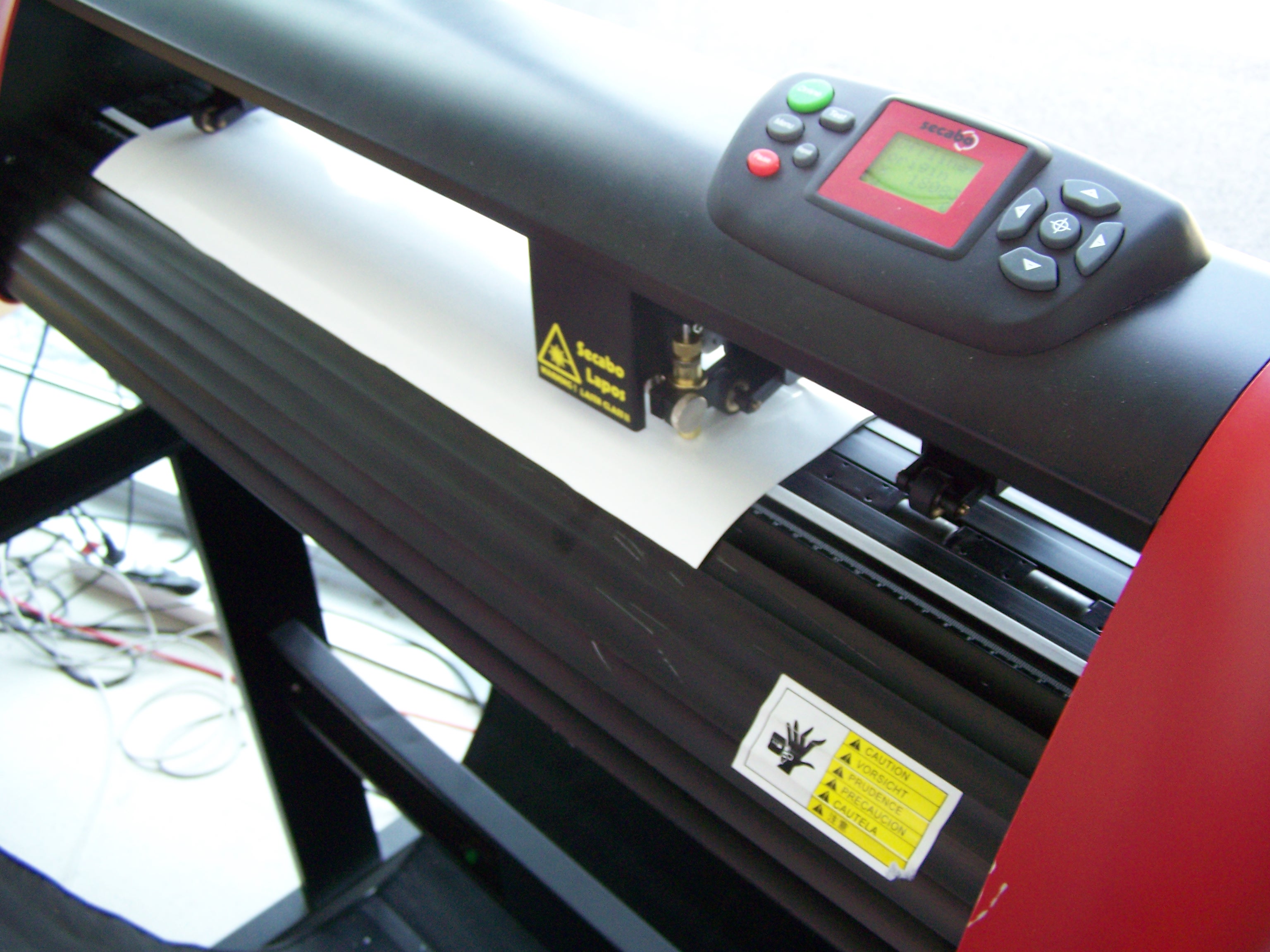
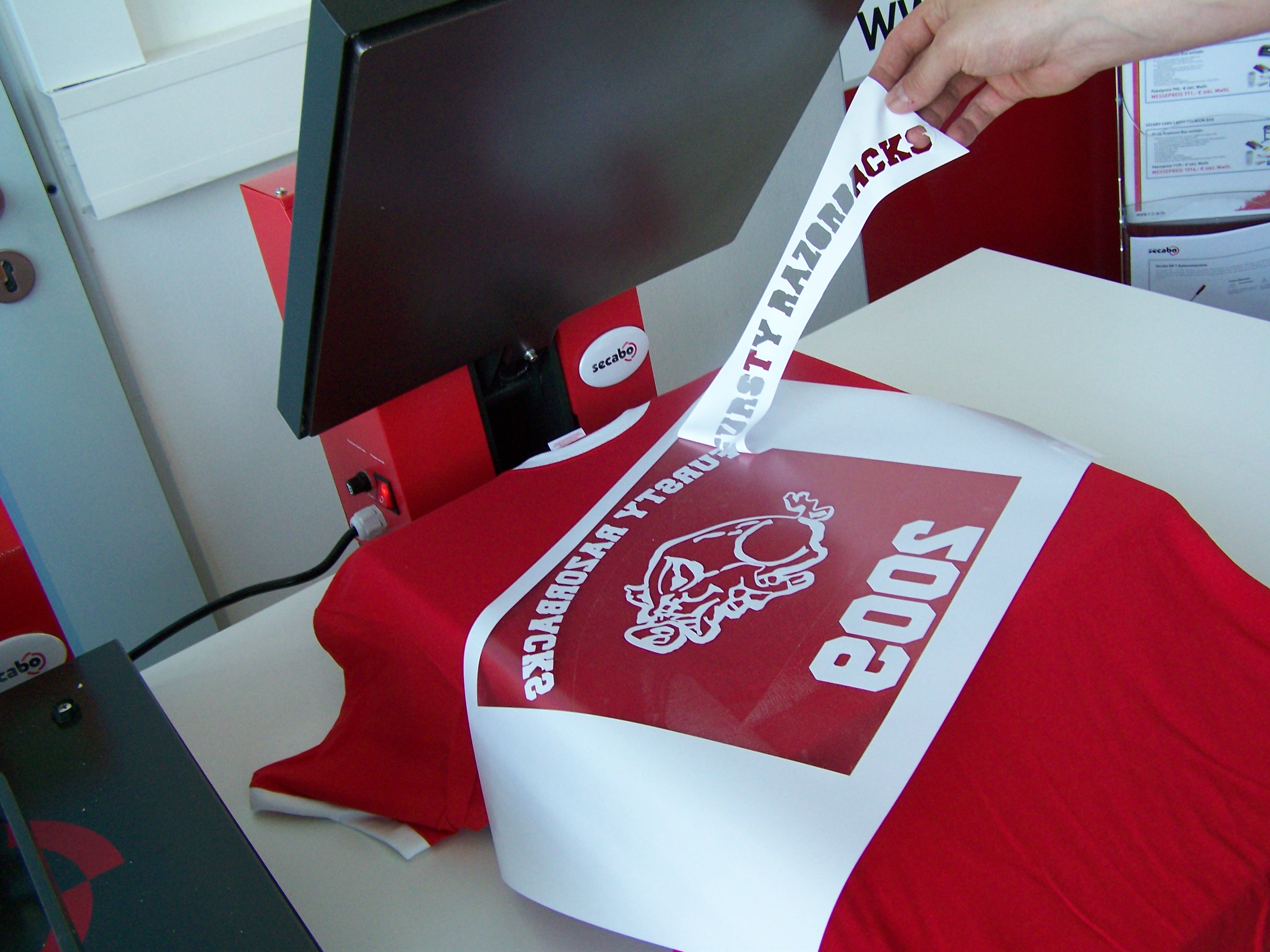
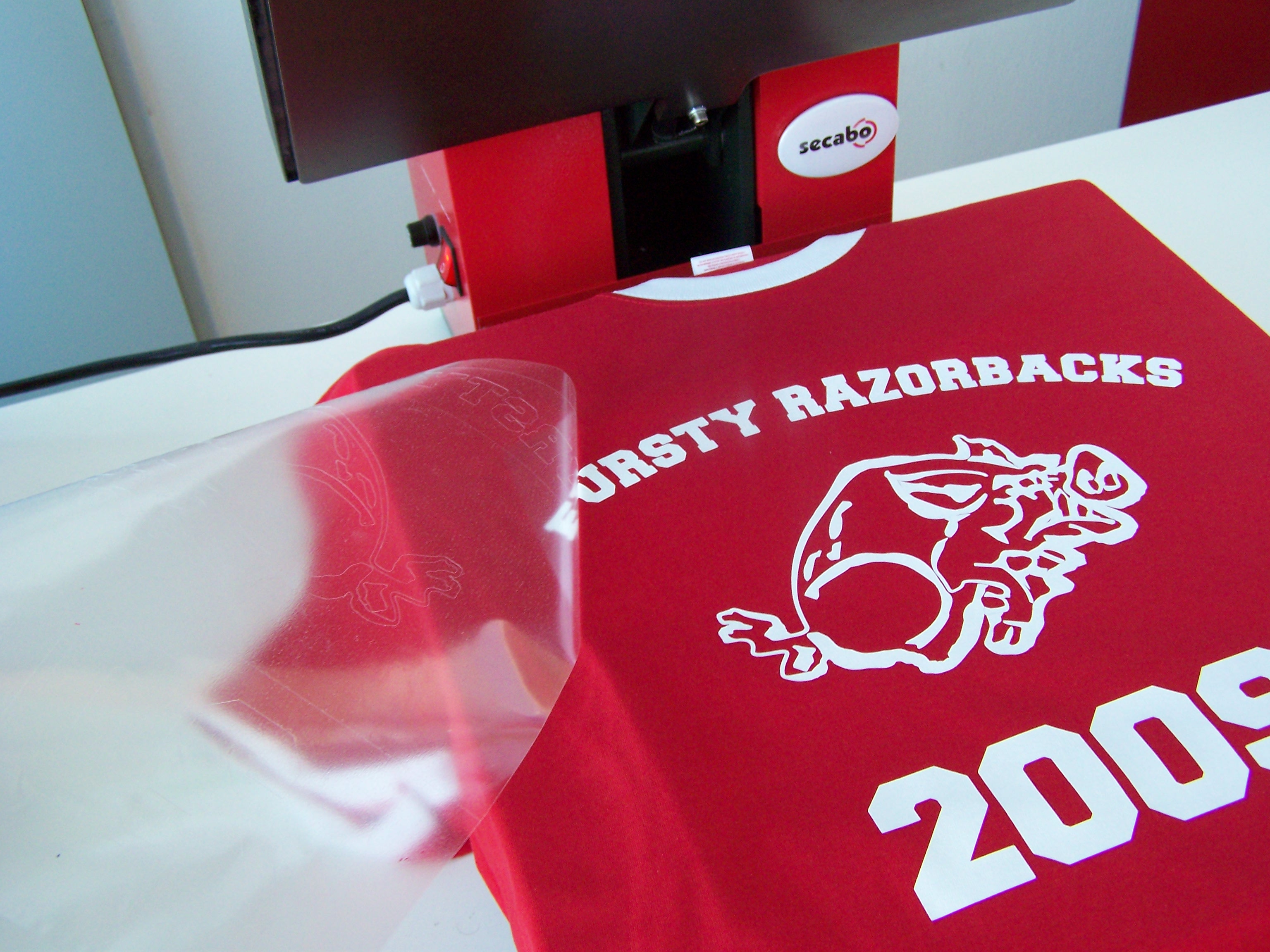
To customise textiles using these films, you need a cutting plotter which cuts out the lettering, logos, shapes and so on – created in a graphics programme on a computer – from the flat material. The plot itself is created in a mirror-inverted orientation onto the adhesive layer of the film, which is later to be applied to the textile. After weeding, the design made from flock or flex film is pressed onto the textile using a heat transfer press at approx. 160 °C for about 15 seconds. The transfer temperatures and times vary depending on the material used and the transfer method, and must be tested on a case-by-case basis.
What makes flock and flex films so special?
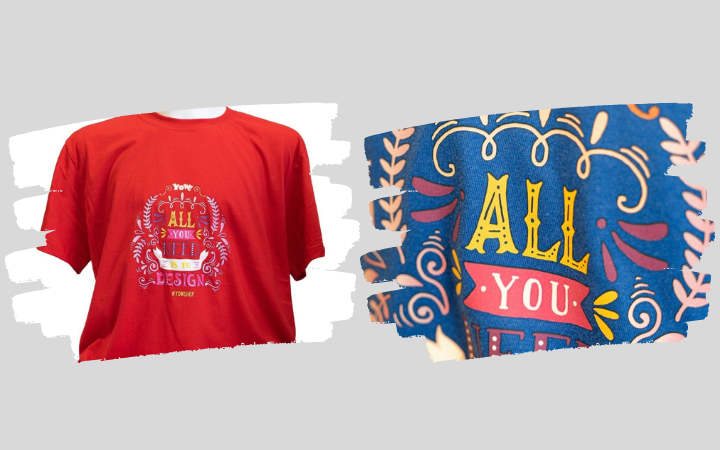
Whilst the PVC-free flock material, with its incorporated viscose flakes approximately 0.5 mm in length, has a rather fluffy feel and stands out clearly from the fabric after transfer, flex film is a rubbery, very thin material that looks almost like screen-printing ink on a fabric and does not build up in thickness. With flex films, a distinction is made between inexpensive PVC-based materials and high-quality polyurethane films. These high-quality flex films are not only gentler on the skin and more comfortable to wear due to their thinner gauge, but also have a longer lifespan and significantly better wash resistance. Flock films are also washable at up to 60°C, UV-resistant and very easy to weed.
Both flock films and flex films contain an adhesive layer made of heat-activated adhesive. This means that, when exposed to the appropriate heat, the adhesive becomes liquid only once and can bond with the textile fibres. As it cools, it hardens and cannot be returned to a liquid state. Both films contain a transparent transfer layer which can be peeled off the fabric without leaving any residue once the transfer is complete. These transfer films are usually slightly re-adhesive, so that any elements accidentally removed during weeding can be put back in place.
Standard flex and flock films are suitable for a wide variety of fabric types, particularly cotton, polyester, blended fabrics, etc. However, to apply textile finishes to water-repellent fabrics and nylon textiles, a special film is required whose adhesive can penetrate these surfaces. These films are only available as flex material.
Quality characteristics for flock films and flex films
- Thin, flexible adhesive layer
- Self-adhesive transfer layer
- High colour fidelity
- High stretchability on the transfer object
- Wash and UV resistance
- Very good tear resistance
What products are available?
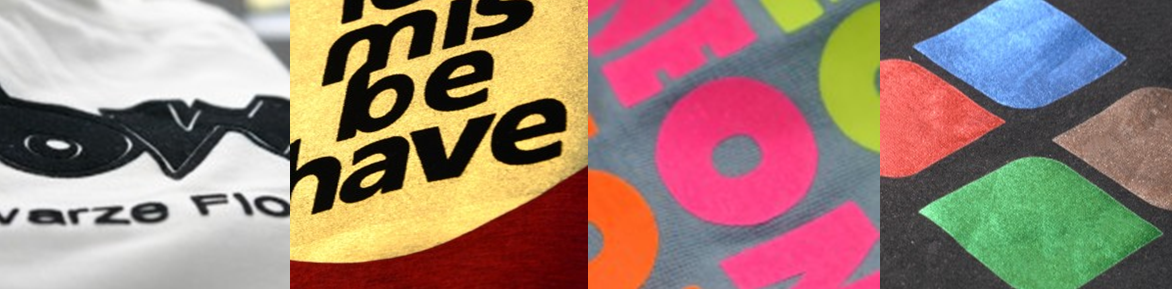
Flex films made from PVC or polyurethane are not only available in many basic colours, but also in a wide range of special finishes such as metallic, chrome, mirror, nylon, denim, carbon fibre or glitter with mineral glitter and rhinestone particles. In addition to coloured flex films, there are also special white and transparent flex films that can be custom-printed not only with inkjet but also with solvent inks and screen printing.
The PVC-free flock films are also available in many basic colours, although the choice of special colours is very limited. Here too, there are variants that can be printed using sublimation inks.
A special feature is the self-adhesive flock film, which is also available – the ideal material for challenging lettering applications! This flock film is coated with an extremely strong adhesive. It cuts superbly on standard cutting plotters and is primarily used on all those materials that cannot be flocked in a heat transfer press due to their low thermal stability or the shape of the object. Decorate rucksacks, shoes, pushchairs or even glass bottles, lampshades, ceramics or photo albums and achieve extraordinary effects! Self-adhesive flock film is even washable to a limited extent on textiles, making it a simple way to decorate textiles for short-term use.