Creative Technology: Sublimation Transfer
What is sublimation?
Sublimation is defined as the direct transition of a substance from the solid to the gaseous state, without passing through the liquid state.
What does this have to do with creative technologies?
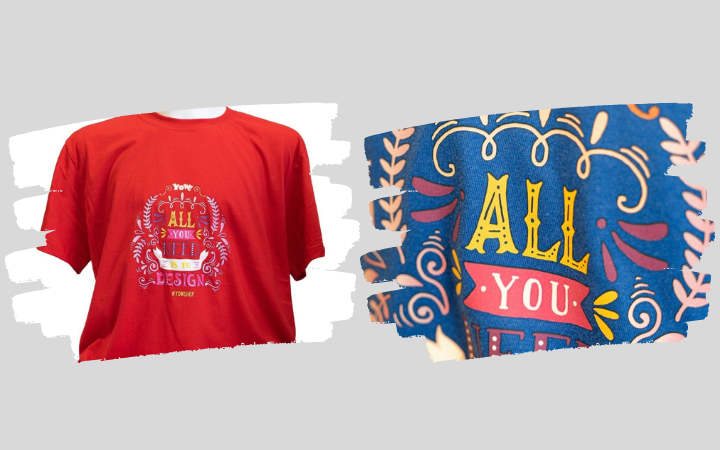
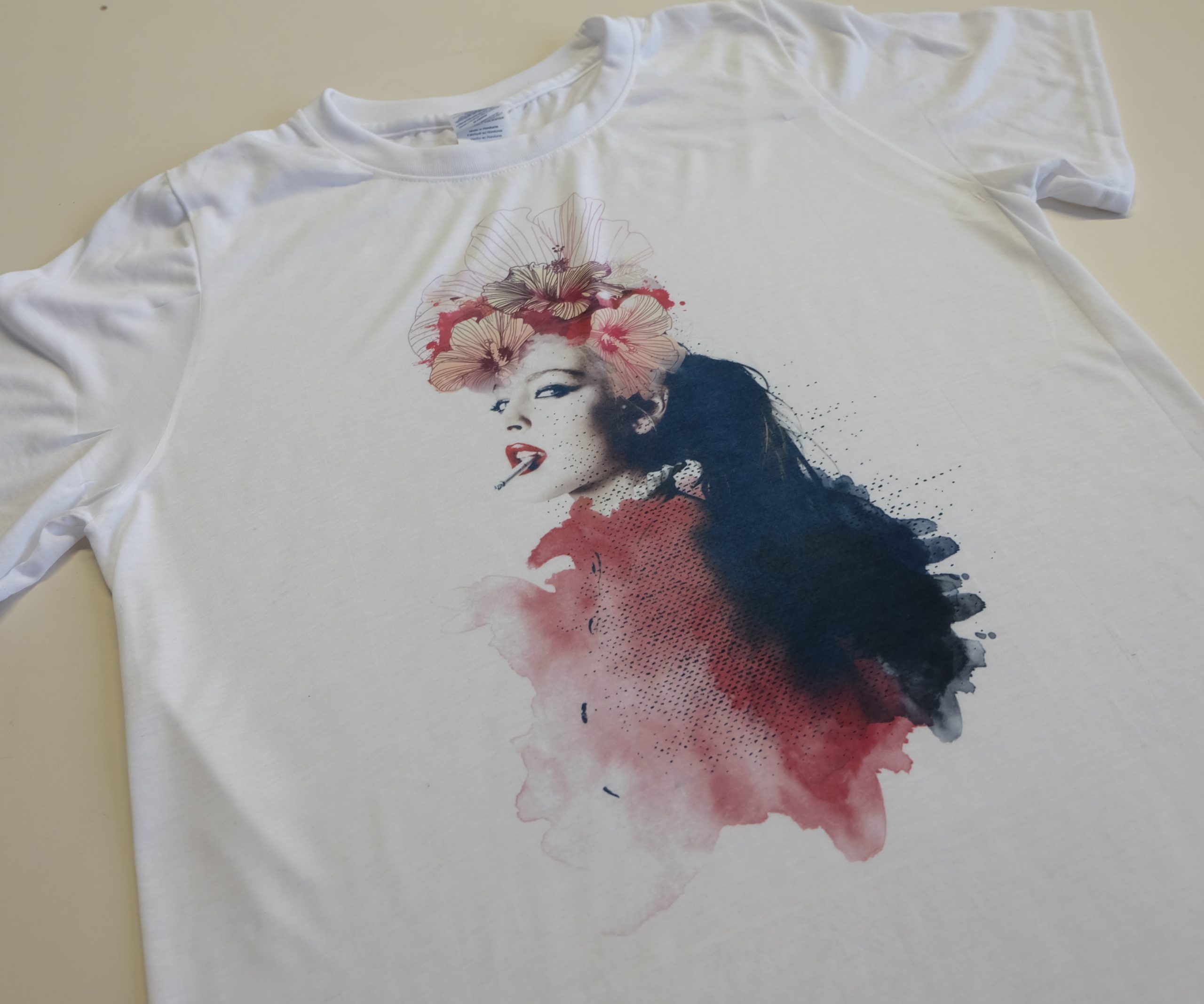
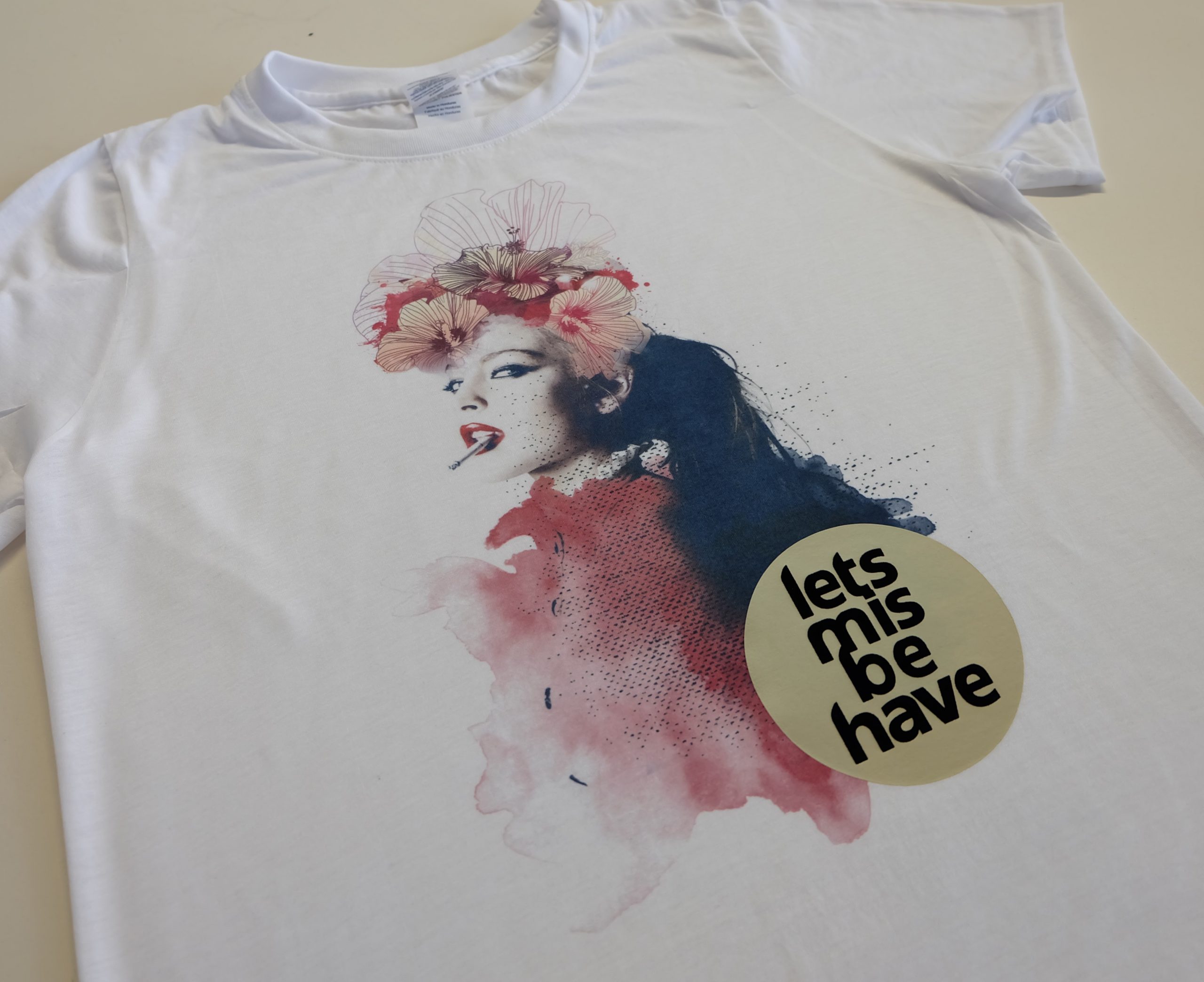
In creative technology, the sublimation process is used to colour polyester fabric. In this process, the sublimation ink is thermally transferred onto the polyester fabric at a high temperature. At these temperatures, the polyester fibres open up, allowing the sublimation pigments to turn into a gaseous state and penetrate the material. During and after cooling, the colours bond with the polyester surface, which then permanently locks them in.
How does the sublimation process work?
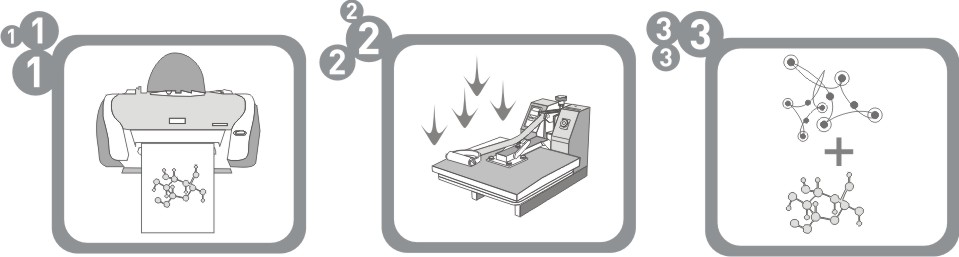
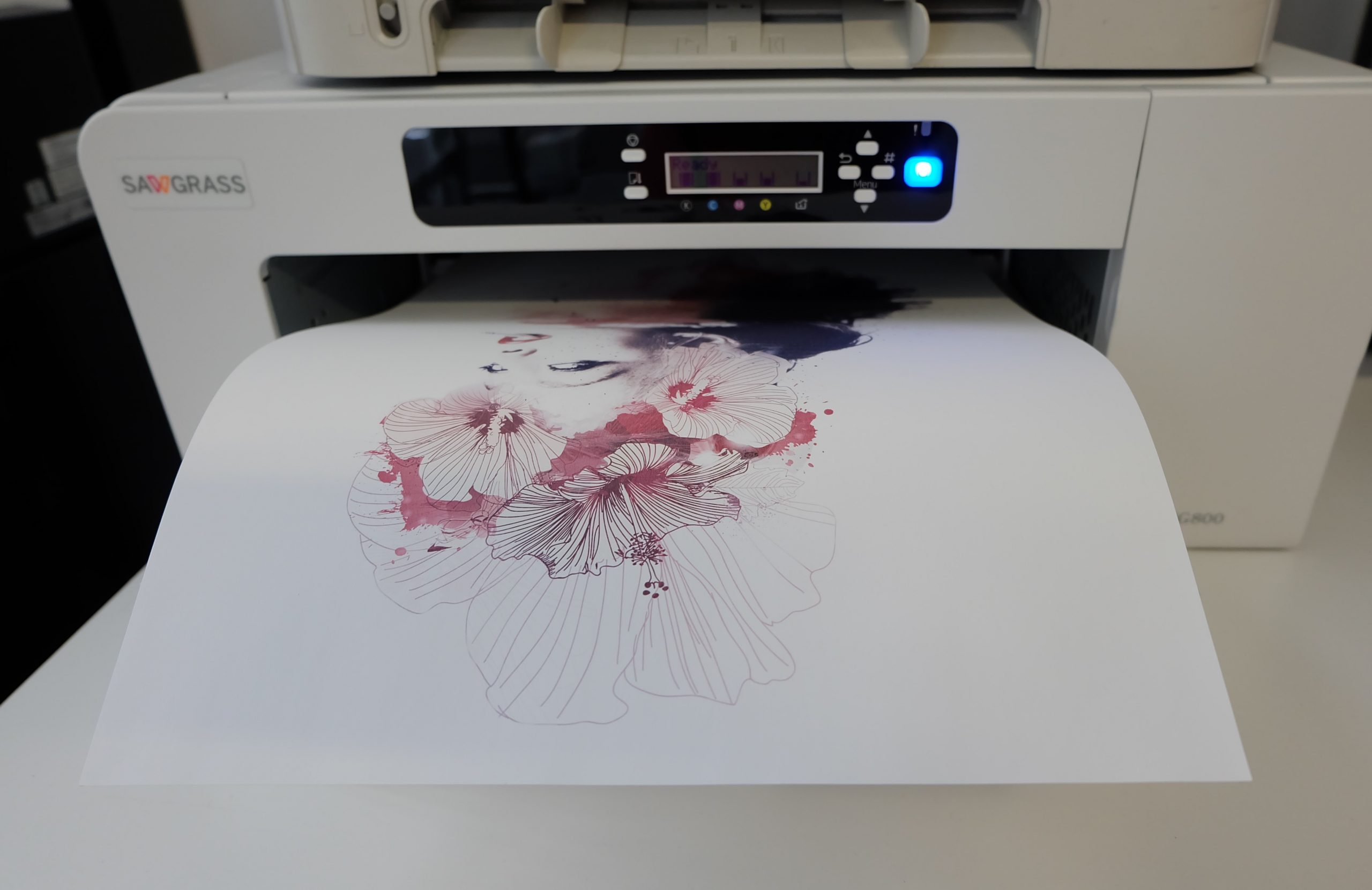
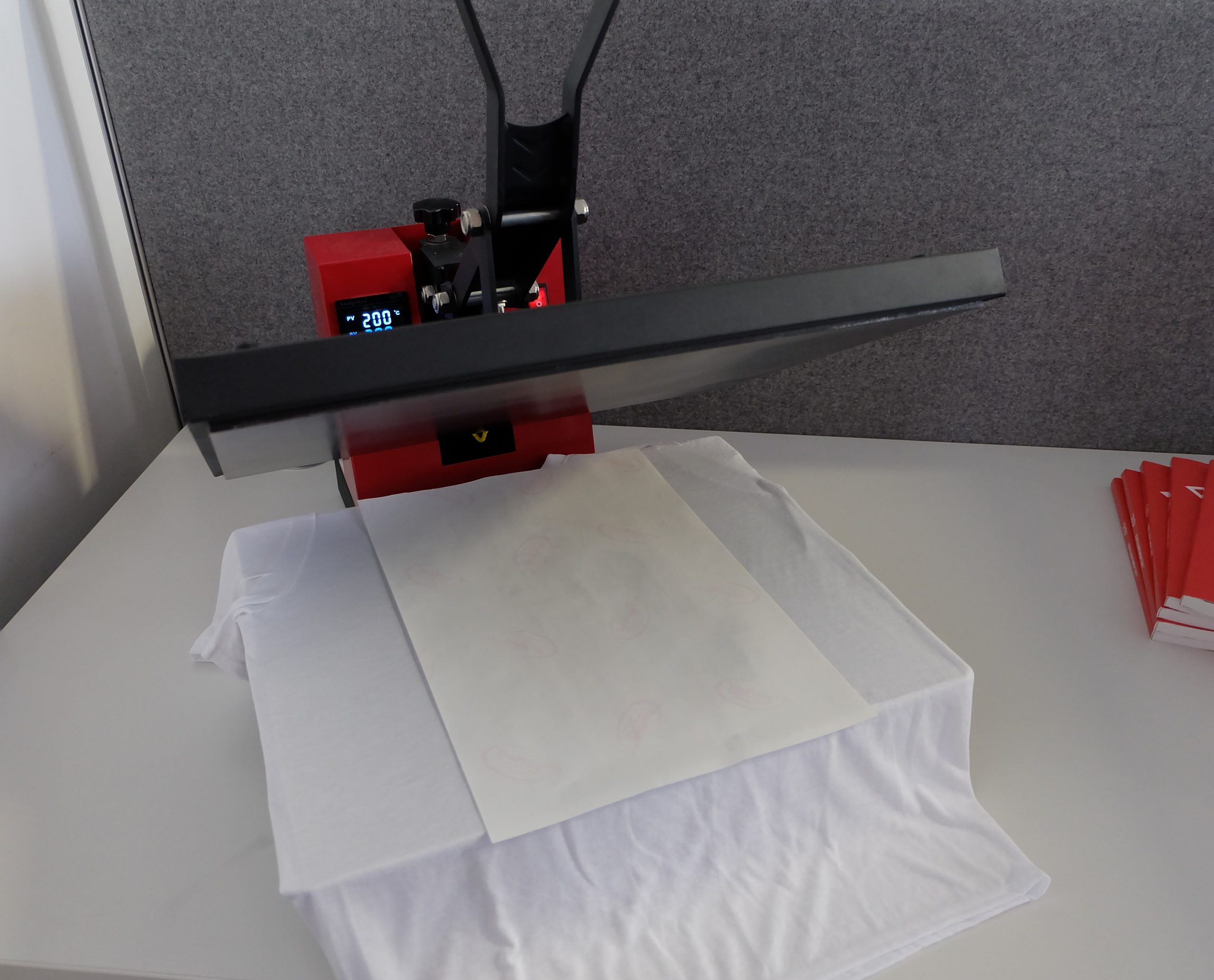
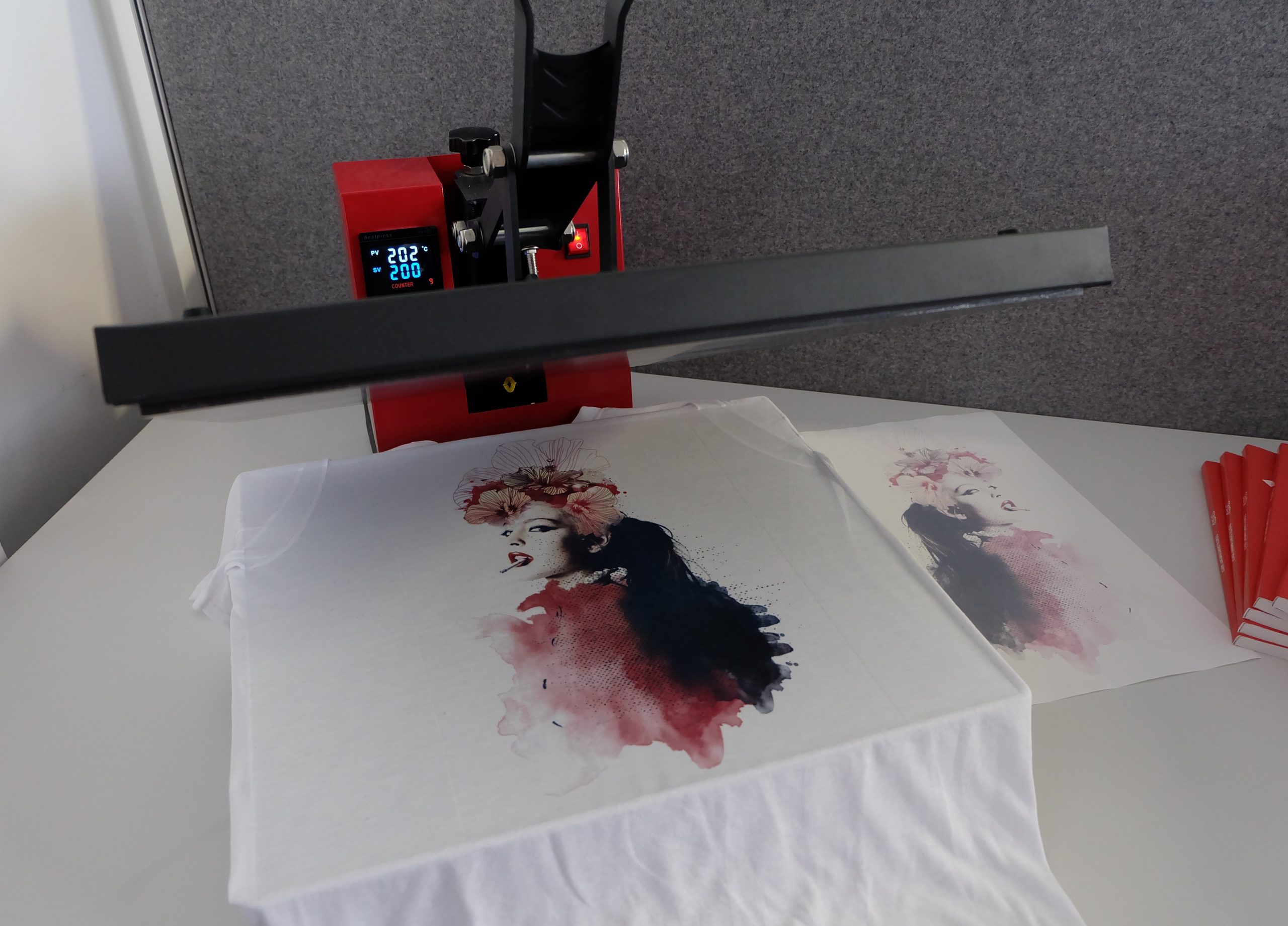
The sublimation inks are printed onto a special, coated carrier paper. When heated in a transfer press, the dye detaches from the carrier paper and bonds with the molecules of the polyester surface, as it now has a greater affinity for it. The sublimation process itself takes place at temperatures of around 190°C. This creative technology is suitable not only for polyester textiles, but also for any surface with a polyester coating, such as mugs, tiles, mouse pads or even aluminium.
What requirements must be met?
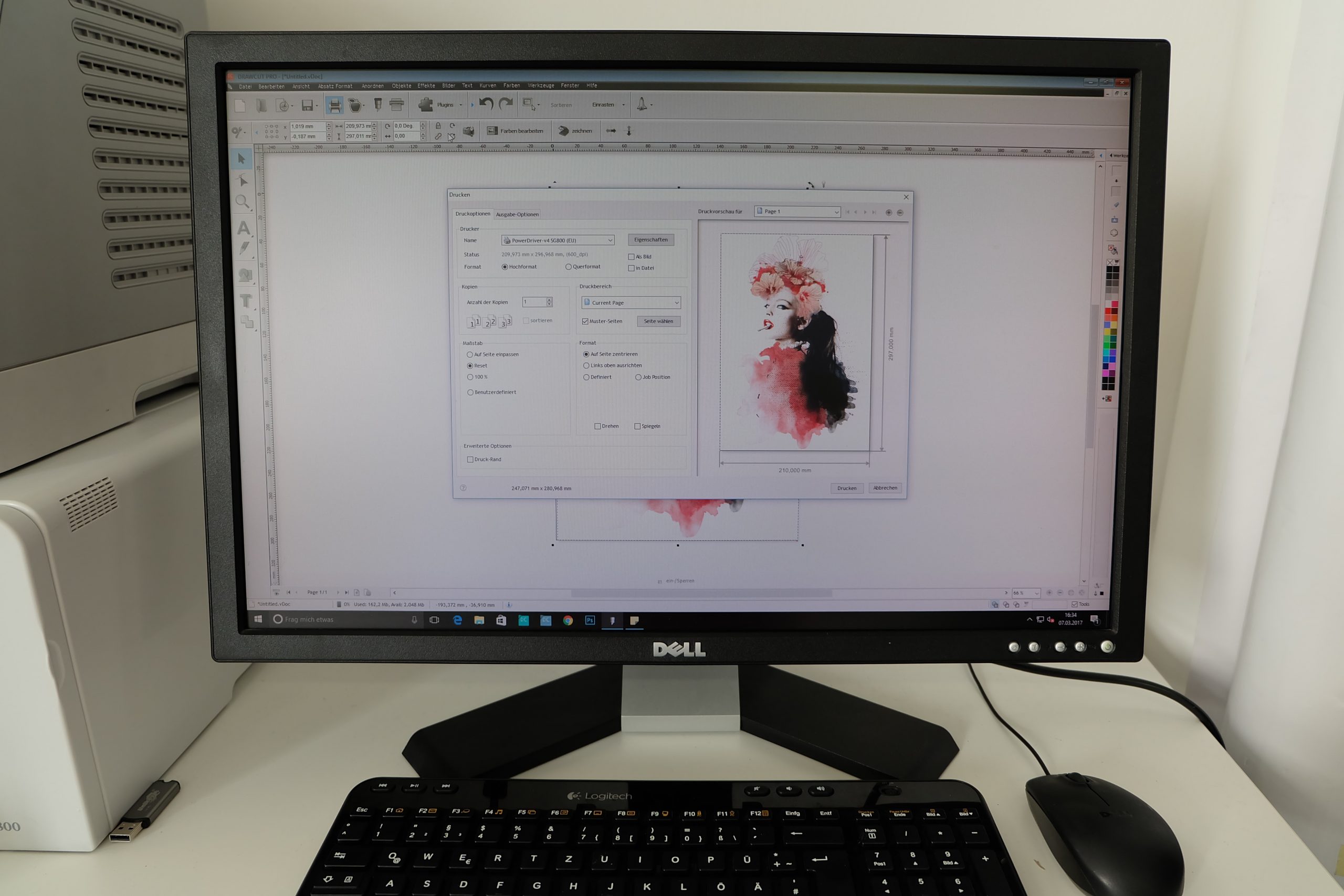
In order for sublimation inks to adhere to the printing substrates used, these must have a polymer coating, usually polyester. As these inks do not have strong opacity, they are ideally transferred onto white surfaces; surfaces of other colours often alter the appearance of the design.
Where is sublimation transfer used in practice?
This technology is most widely used in the sublimation printing of textiles, mugs and even mouse pads. However, the sublimation process is also used in the manufacture of skis, skateboards, flags and so on.
The sublimation process has been used in industrial manufacturing for many years, though until now it has been predominantly used in screen or offset printing. Thanks to the development of sublimation inks, it is now possible to produce both one-off items and large print runs cost-effectively, to outstanding quality, quickly and without any upfront costs.
What are the benefits of sublimation transfer as a creative technology?
Advantages
- A single printing system can be used to print on a wide variety of materials in photo quality: mugs, jugs, tiles, mouse pads, T-shirts, aluminium, picture frames, name badges, etc.
- The colour pigments react with the polyester coating on the materials, meaning they penetrate the surface. As a result, the print or colour application is not noticeable to the touch. This is particularly pleasant in the case of textiles, as the print does not affect the comfort of the garment.
- For ceramic products, no second ‘firing’ is required to ensure the print’s durability.
- There is no need for finishing work with a squeegee or other tools.
- Sublimation printing on textiles is extremely wash-resistant.
- Printing costs are always the same, as there are no upfront costs for film production, screens or set-up.
Disadvantages
- It is not possible to achieve 100% accurate colour reproduction.
- Textiles with a polyester coating are not particularly comfortable to wear; they are mainly used in sportswear.