Creative Technology: Button Production
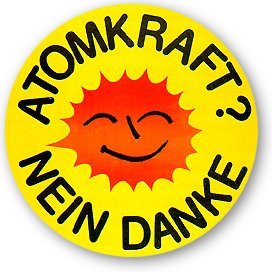
For decades, badges have been used worldwide as a means of advertising and conveying information. Worn openly on clothing, they convey the wearer’s views, preferences or even dislikes to the public. Who hasn’t seen the badge with the smiling red sun and the text ‘Nuclear power? No, thank you.’? And yet they are constantly being labelled as ‘out’ and ‘old-school’. So far, however, to no avail. In our experience, buttons are always relevant and always in demand. It’s just that the ways they can be used and the variations available have become more versatile and creative.
How do you make buttons?
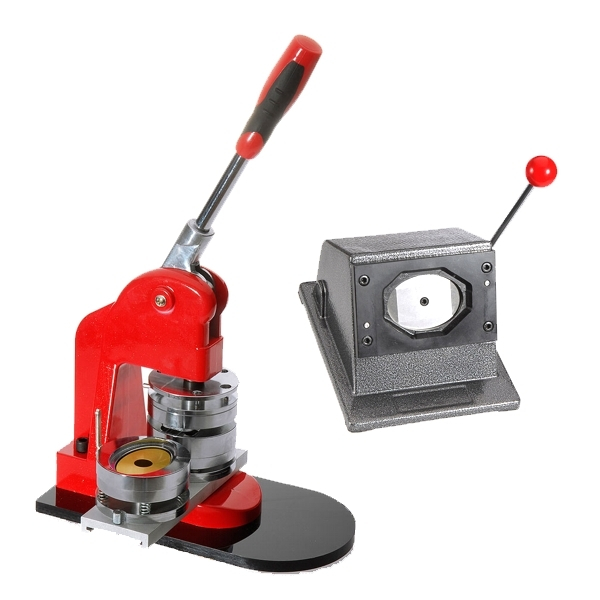
To make buttons, you need a button-making machine in which the components of the button are pressed together. All you need to provide is a simple printout of the desired design (using a laser or inkjet printer on standard photocopying paper).
Usually, a die-cutter cuts out the template in the desired shape and size for the respective button formats.
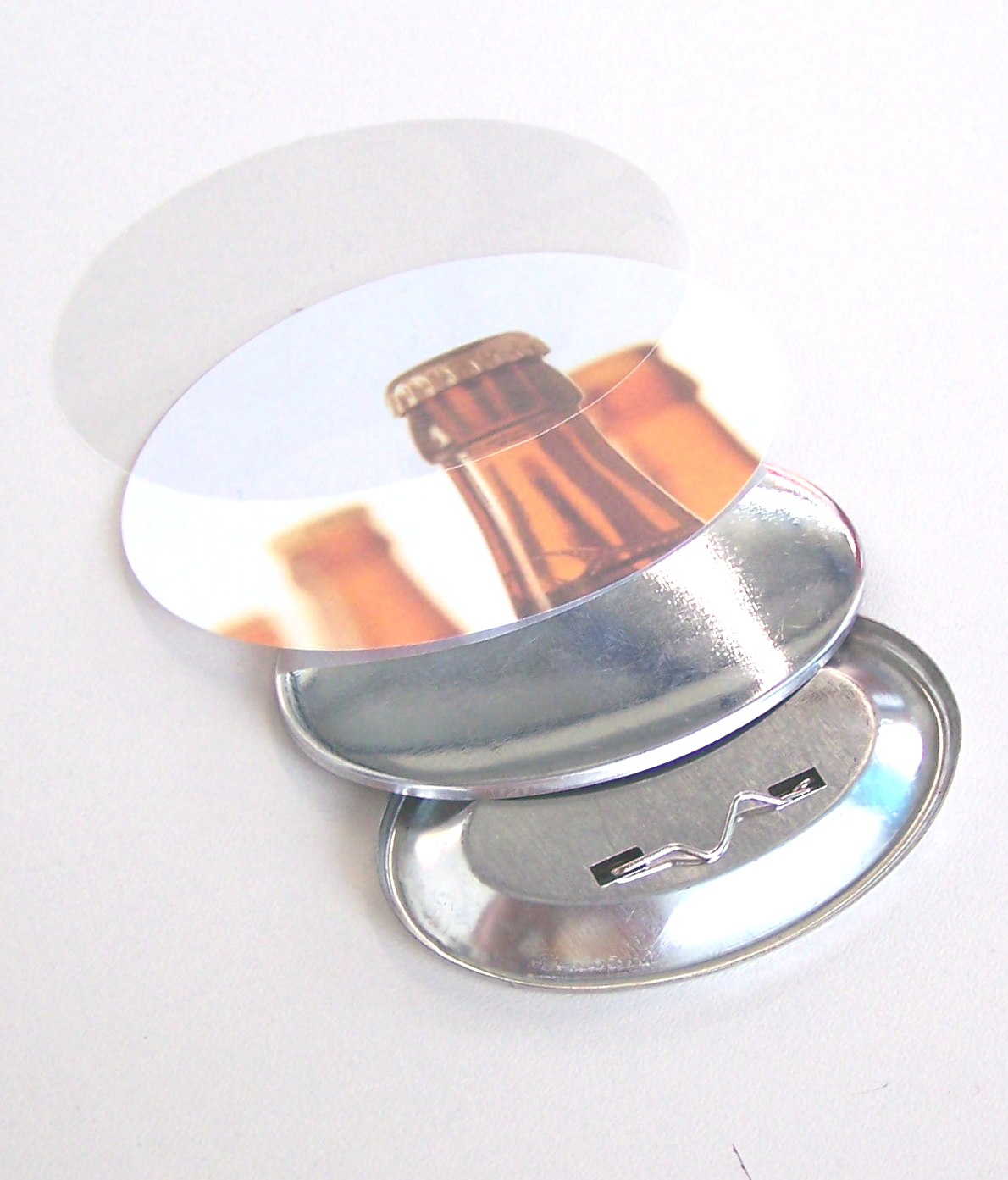
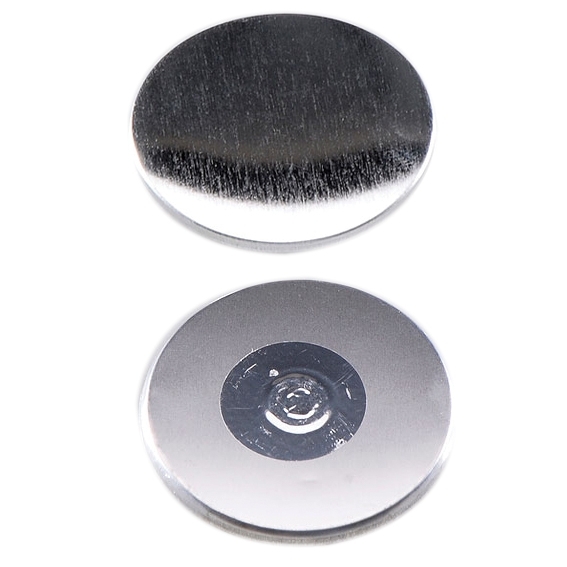
The button itself consists of a precisely die-cut transparent film (supplied), a front shell and a back plate. The back plate can serve various functions, such as a pin, a make-up mirror, a bottle opener, a magnet, etc.
In just a few seconds and with a few simple steps, the individual components are assembled in the button-making machine to create a high-quality and durable button.
What sort of buttons are there?
Firstly, there are various button shapes: round (diameter from 25 mm to 75 mm), square (37 mm), rectangular (37 mm × 58 mm) and oval (45 mm × 69 mm).
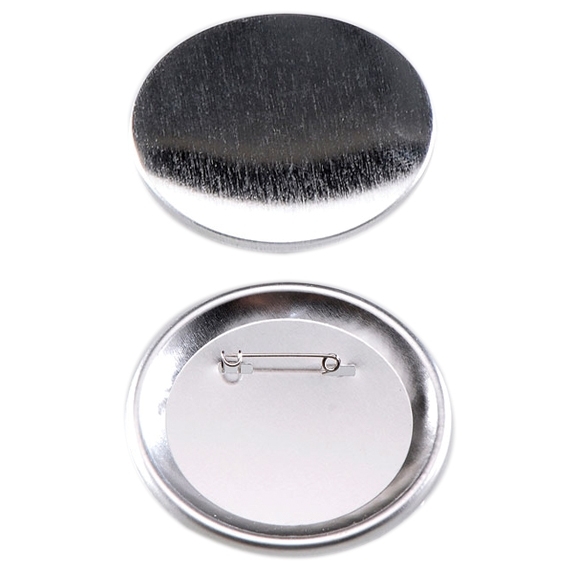
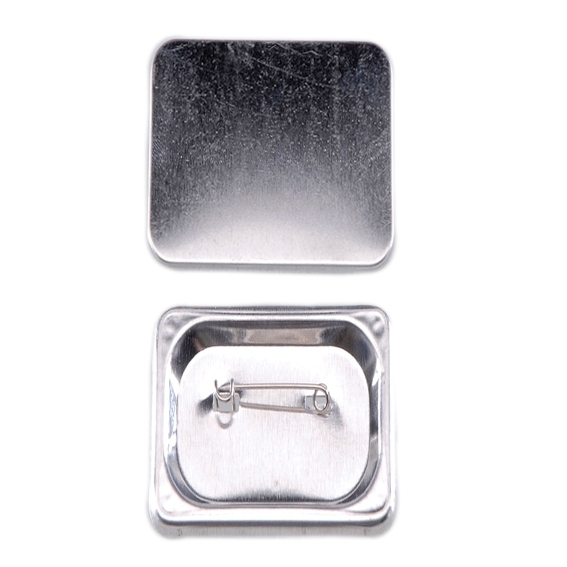
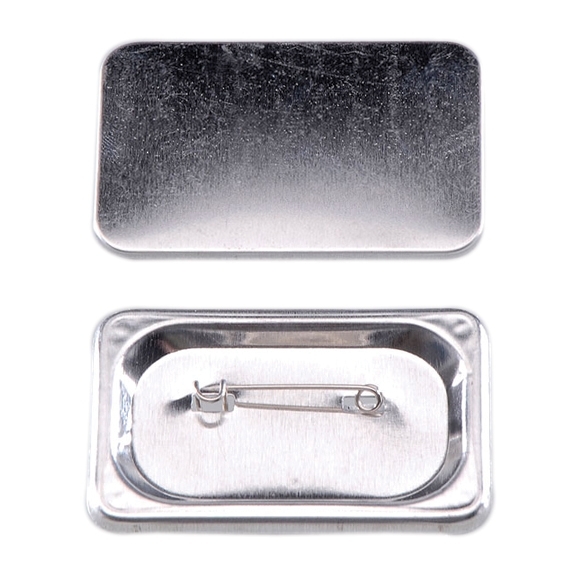
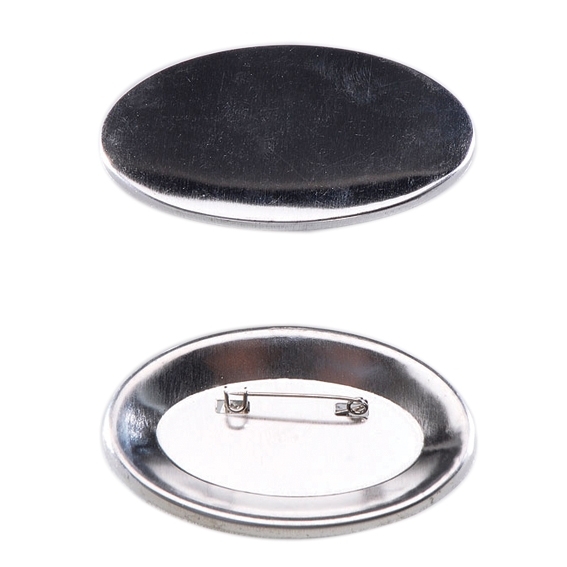
Furthermore, the various formats usually come with a choice of functional backs, such as a pin, make-up mirror, bottle opener, magnet, etc.
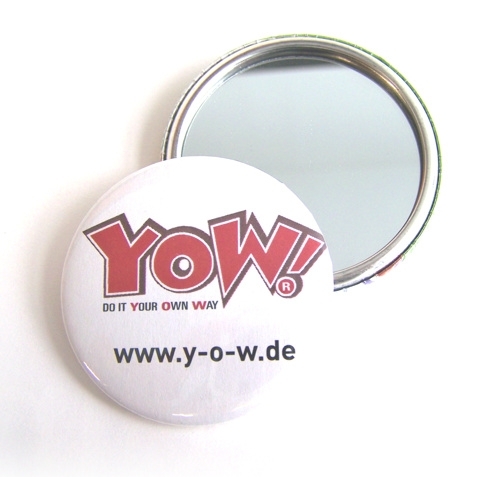
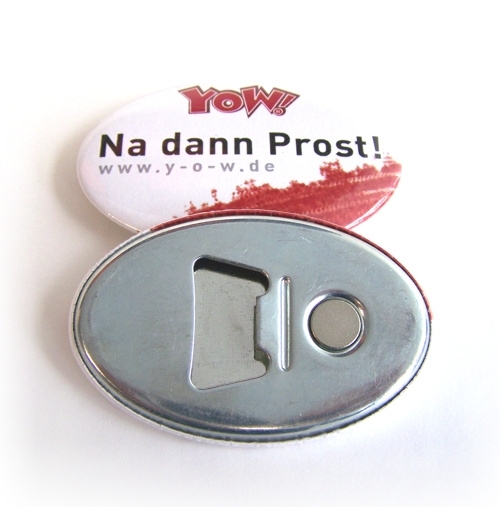
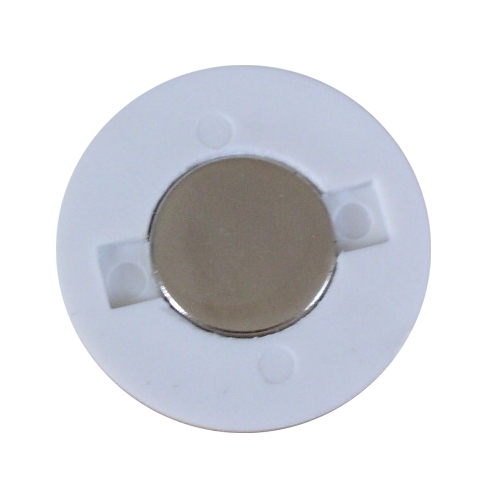
For buttons with magnetic backs, a safety magnet can also be used, for example to create name badges that do not damage the fabric with safety pins.
The blank buttons are available from YOW! in packs of 100 (except for the ‘25mm round’ size, which is only available in packs of 500).
Where are buttons used?
Nowadays, buttons are generally used as giveaways, that is, as free promotional items. Small and medium-sized businesses, for example, can use bottle-opener buttons as a very cost-effective and sustainable way to showcase their logos and promotional messages. This allows for flexibility in terms of the design and keeps costs low compared to industrial button production. Homemade buttons can always be kept up to date. In the run-up to Christmas, at open days, during Oktoberfest, for a new opening, at large events or even at small gatherings – you can customise and change the design yourself at any time and decide on the print run. That’s the point, isn’t it?
And as for the ‘Nuclear power? No thanks’ button – since 1975, it has won over fans all over the world, with an estimated total of 20 to 30 million buttons produced in more than 40 languages.