Car wrapping or paintwork? An overview of the pros and cons
Anyone wanting to give their car a new colour often has to choose between a paint job and a wrap. Here’s an overview of the pros and cons.
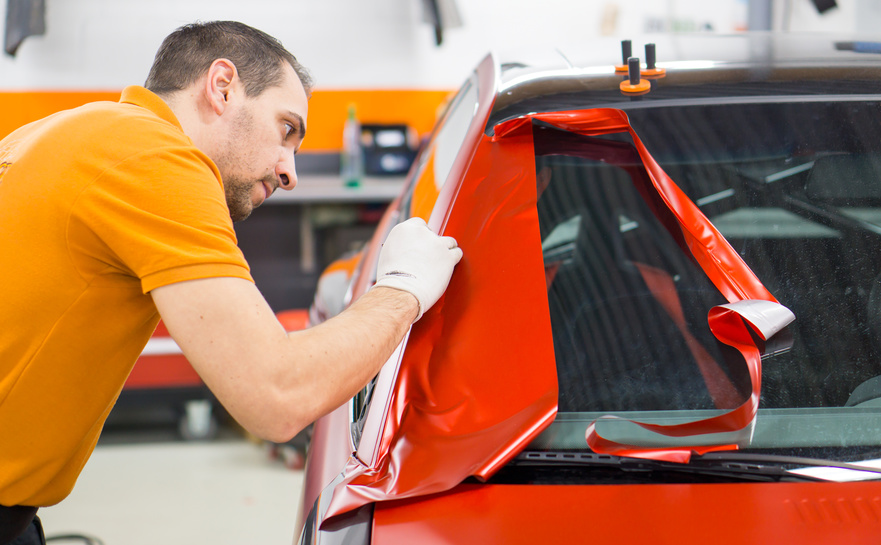
Anyone who takes a closer look at German roads is usually taken aback by a monotonous sea of silver and black cars, where one car is barely distinguishable from the next. And who hasn’t faced the problem in a car park when trying to find their own silver-grey car amongst a sea of identical models?
No wonder, then, that many motorists are longing for an alternative and are increasingly customising their cars with stickers and tuning parts. As well as minor modifications, a complete ‘makeover’ using wrap film or paint is, of course, a popular option. As cost plays a significant role in both options, it’s important to consider carefully beforehand which method best suits your individual needs. To give you an overview and help you make your decision, we’ve outlined the pros and cons of wrapping and repainting for you.
The first criterion: the price
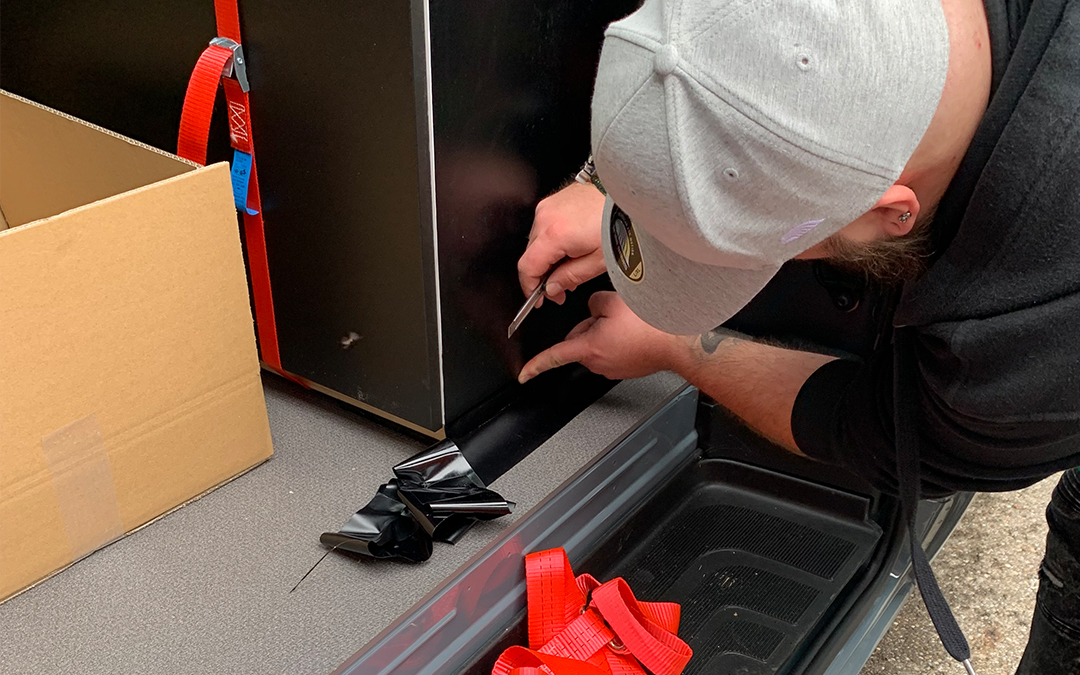
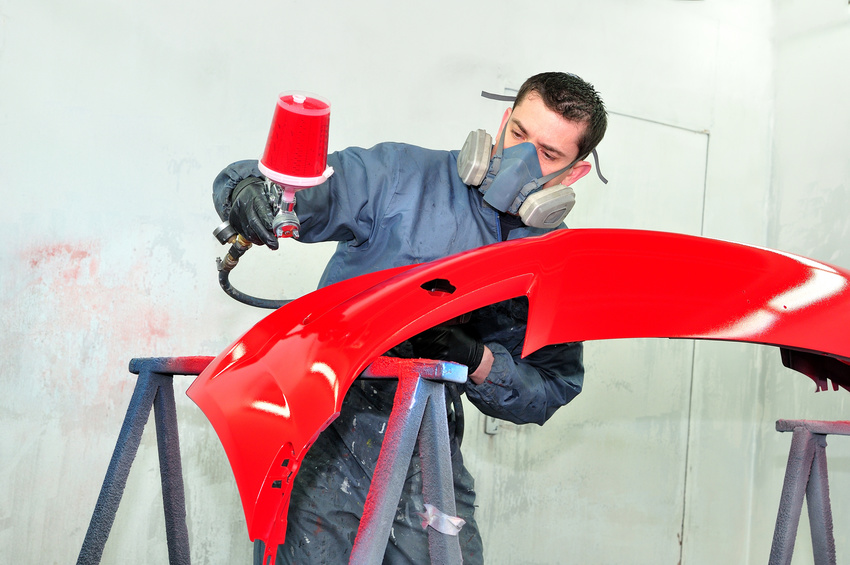
One key factor that puts many motorists off making major changes to their car is the cost. This is where car wrapping clearly has the edge, as it is up to 50 per cent cheaper than a paint job. The reason for this drastic price difference is the amount of work involved; with a paint job, not only do more car parts need to be removed, but the car also needs to be sanded down beforehand. That said, even having a car wrapped by a professional isn’t cheap: prices start from 1,000 euros and upwards. In our previous article, we explain how you can apply a wrap to your car yourself.
Durability and protective function
Another aspect to bear in mind when making your choice is the durability of the respective method. Paintwork generally has the advantage of lasting as long as the car itself. Anyone who does not intend to sell their car on and wishes to enjoy their choice of colour in the long term is particularly well advised to opt for a paint finish. The higher cost is also worth it here, as the paintwork won’t need to be renewed for decades. Whilst vinyl wraps also last a relatively long time, they do need to be touched up after a while, which is slightly more labour-intensive than paintwork. Generally speaking, a wrap is recommended, particularly for temporary changes, such as for company cars or if you plan to sell the car in the future. As cars in colours such as silver, black or white sell better, it is worth keeping the neutral paintwork and applying a removable wrap.
Protection against corrosion and stone chips
A car without paintwork is unthinkable, as the paint protects the vehicle’s valuable parts from corrosion. Car wrapping takes it a step further, as it also protects the paintwork itself from damage and thus helps to prevent the car’s value from depreciating. Furthermore, car wraps are durable and can even withstand minor stone chips without damage, whilst also protecting the paintwork from discolouration caused by UV radiation.
The final verdict on both methods is therefore relatively balanced, as even the higher cost of paintwork pays off in the long run. It all depends on the circumstances: the first criterion here should be how long you want the colour change to last. If a temporary solution is required, a window film is the better option, as it can be removed easily and, should you wish to sell the car, helps to prevent a reduction in value caused by paintwork damage. For permanent solutions, however, a paint job is recommended, as it lasts a very long time and generally does not require touch-ups.