Transfer film vs. transfer paper
To transfer plotted lettering, logos or design elements onto their intended surface in one go and with a precise fit, a transfer medium made of paper or film is used. The adhesive strength of this medium is lower than that of the actual sticker. Consequently, the transfer film or transfer paper can be removed very easily once the sticker has been scraped off.
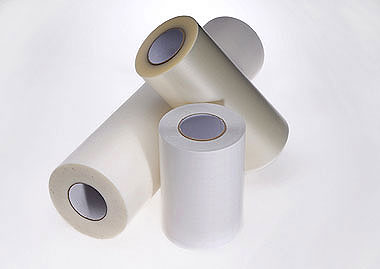
The range of transfer films, transfer papers, app tapes and so on is vast and, particularly for beginners, can be overwhelming.
We’d like to give you some guidance on which transfer medium is suitable for which application and what you should look out for.
Transfer paper
Transfer paper – as the name suggests – is made from paper; it is therefore not transparent. For this reason, when applying objects, it is not possible to see exactly where the individual objects are being stuck down. It is therefore only suitable to a limited extent for delicate and small objects.
The standout feature of transfer paper is its water permeability. This makes it the first choice for wet application – the water can evaporate more quickly through the pores of the transfer paper, and the sticker dries very quickly and is ready to use.
Transfer paper is available in various types of material and adhesive:
- Standard transfer paper
The all-round tape for most applications. - Transfer paper with strong adhesive
The right material when the adhesive film to be transferred does not adhere sufficiently to the standard paper tape (e.g. chrome films). - Transfer paper for dispatch
A transfer paper with a long-lasting adhesive. The adhesive’s long-lasting holding power prevents creasing and tunnelling, even when the stickers are rolled up. - Transfer paper for wall decals
This transfer tape features an adhesive with only slight tack. This makes it ideal for temporarily applying plotted adhesive films for wall decals or painting stencils to a wide range of wall surfaces. Transfer papers with a stronger adhesive generally leave bare patches on the walls after removal, as they peel off parts of the paint. This transfer paper is also used to protect digital prints during storage or dispatch.
Transfer film
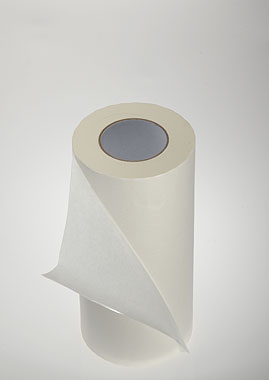
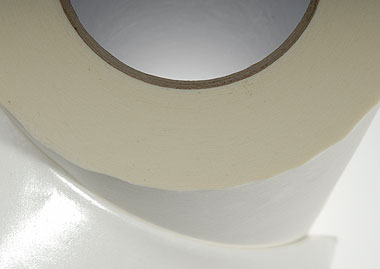
Transfer films are generally transparent and therefore allow you to see exactly where the sticker is being applied during the transfer process. Due to their smooth surface, transfer films are not suitable, or only to a limited extent, for wet application.
There are also different types of material and adhesive available for transfer films:
- Thin transfer film
A transfer film suitable for most applications, offering good dimensional stability. - Thick transfer film
The thick transfer film is particularly suitable for applying large stickers (100 cm and above) whilst maintaining dimensional stability. - Transfer film with release paper
This transfer film comes with a blank cover sheet – making it ideal for applying multi-coloured stickers made up of different individual colours. - Transfer film for hot transfer
Suitable for all transfer applications in transfer presses – particularly for rhinestone designs. - Transfer film for self-adhesive flock film
With its extremely high adhesive strength, this transfer film is suitable for applying self-adhesive flock film. To maintain this high adhesive strength, the adhesive layer is protected by a film backing, which must be removed before application.
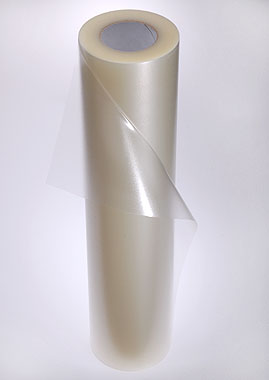
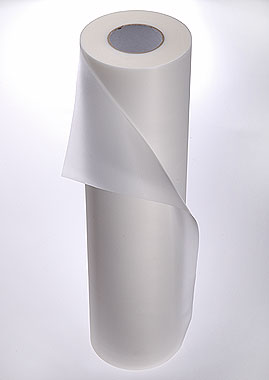
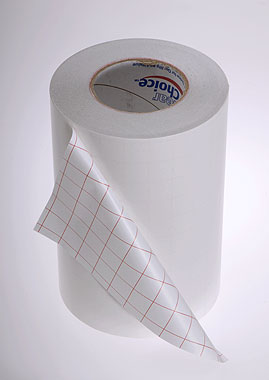
As well as the standard sizes (30.5 cm x 100 m, 61 cm x 100 m, 122 cm x 100 m), the standard versions of plastic and paper tape are also available as handy small rolls for the smallest of objects and for use on the go!
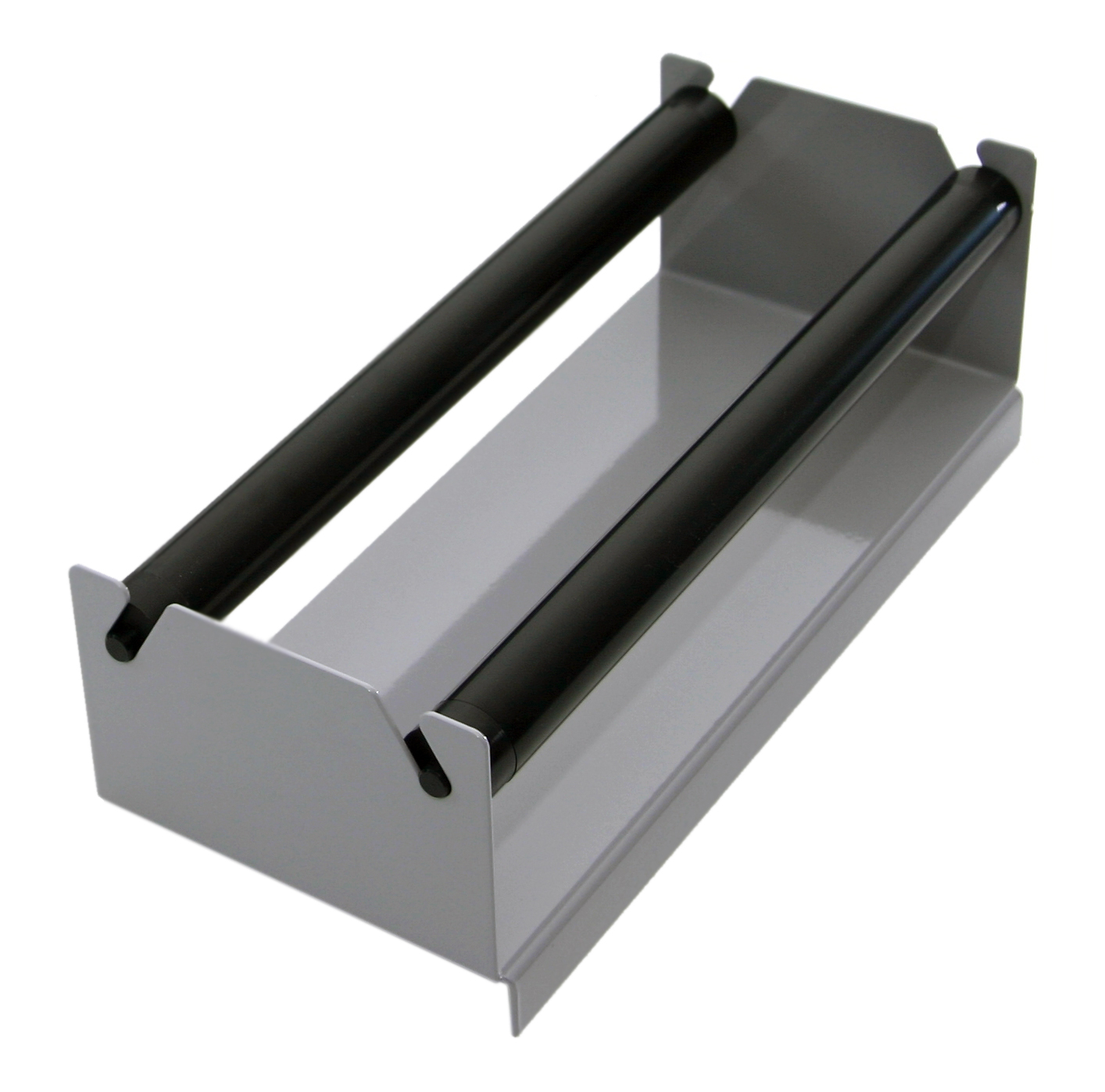
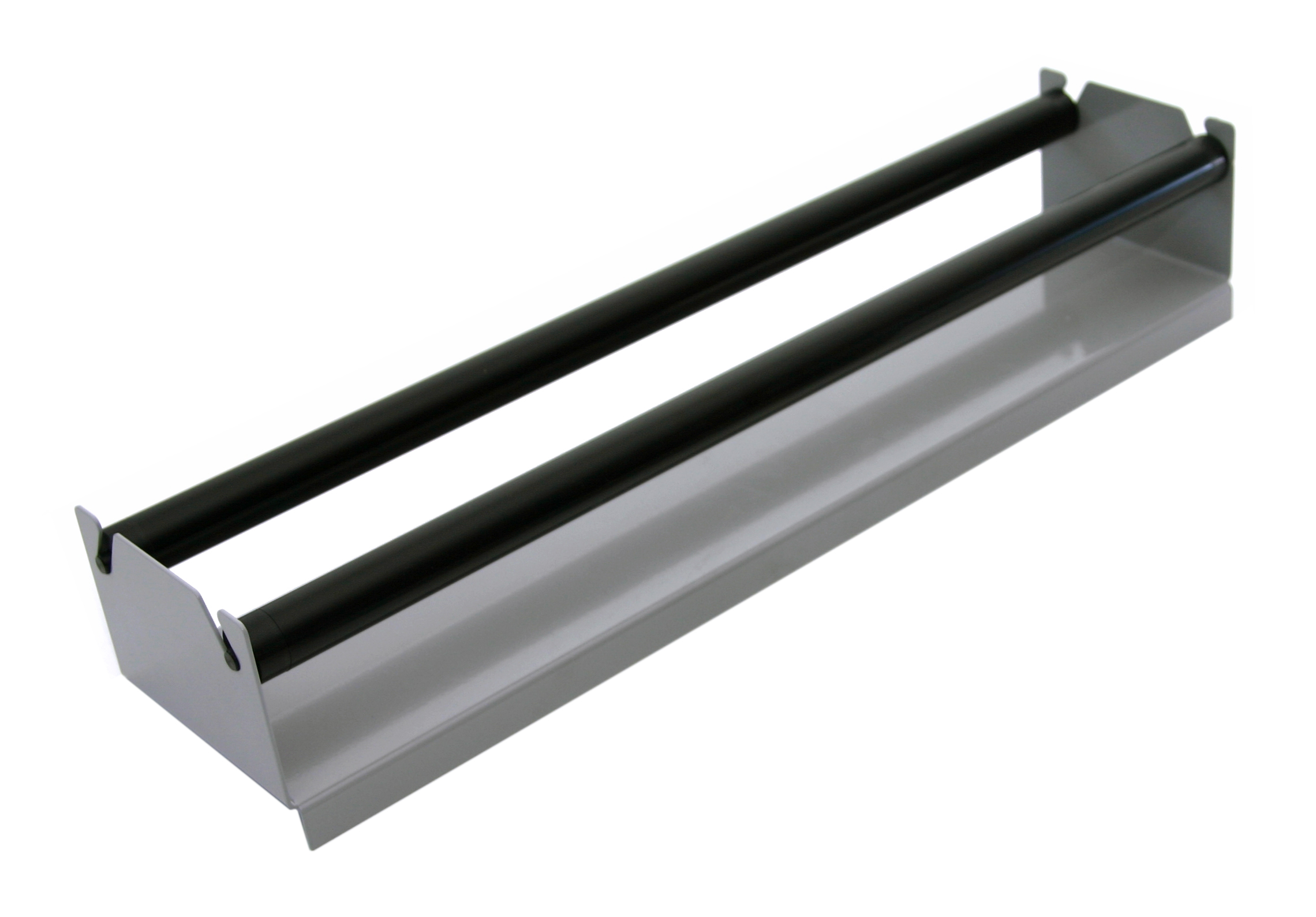
Dispenser for transfer foils
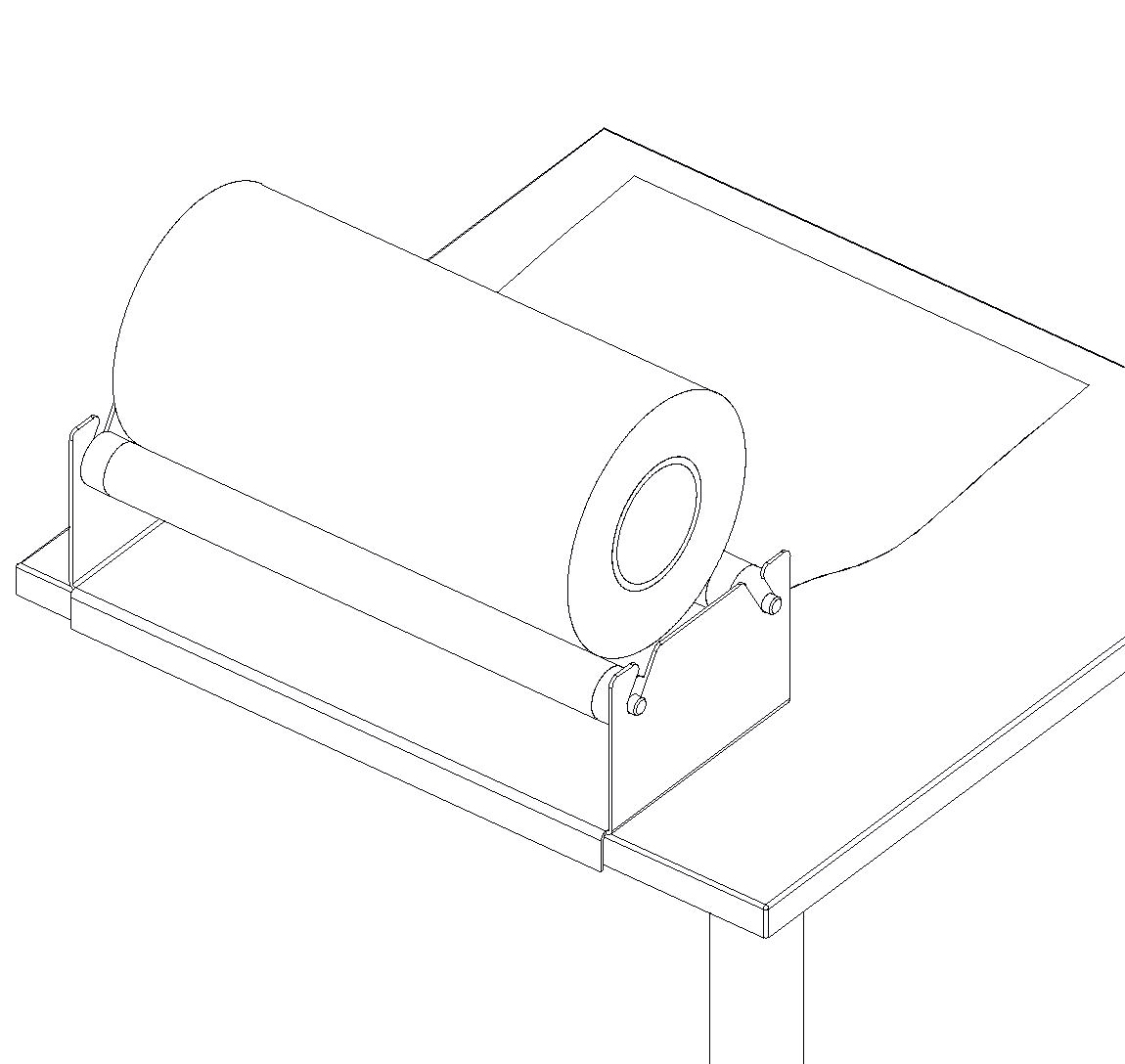
It is almost impossible to apply transfer film or paper to larger stickers freehand. Small creases or bubbles form too quickly, which can completely ruin the sticker when it is applied. We therefore strongly recommend using a dispenser for this purpose, which can simply be clamped behind the edge of a table and dispenses a straight strip of transfer film at all times – and with such high tension that even stickers several metres long can be applied by one person easily and without creases.