Softshell – Functional textiles that pose challenges
Printing on softshell fabric without colour migration
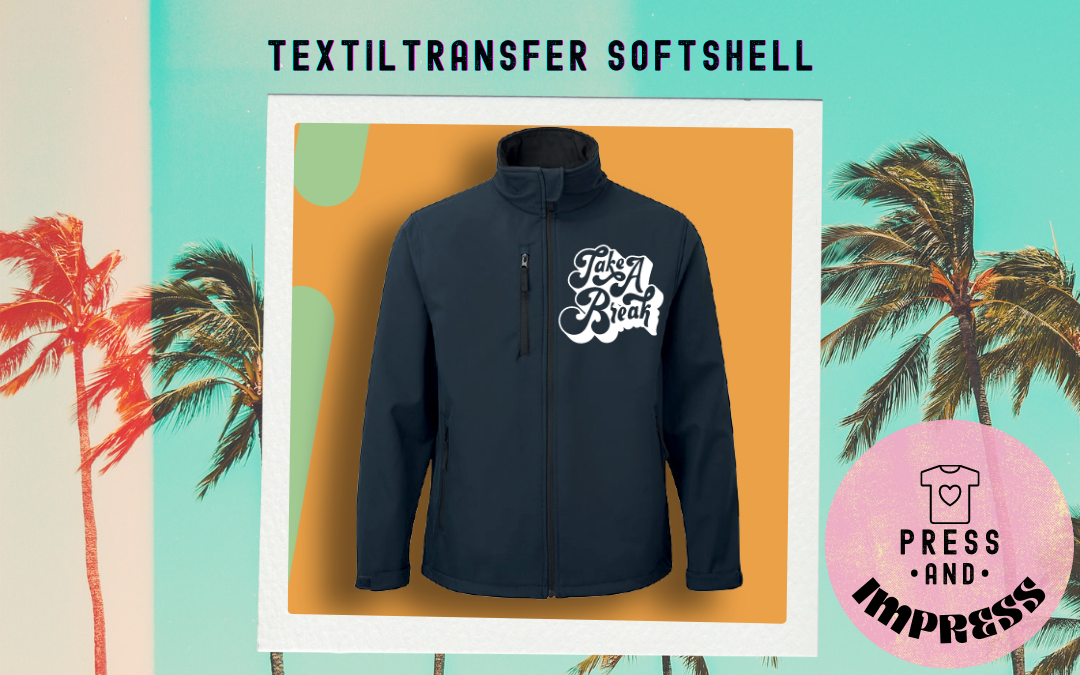
Are you looking for functional garments that look great both in everyday life and during outdoor activities? Then softshell is the perfect choice! This technical fabric combines water-repellent, windproof and breathable properties, offering a high level of comfort in a wide range of weather conditions. However, when it comes to applying custom designs to softshell textiles, this material presents a number of challenges.
What is softshell?
Softshell is a technical fabric consisting of several layers, specially developed for outdoor and sportswear. It combines the benefits of water-repellent, windproof and breathable materials, thus offering a high level of comfort in a wide range of weather conditions.
Advantages of softshell
- Water-repellent: Softshell fabrics are water-repellent and protect against light rain or snowfall.
- Windproof: Thanks to its dense structure, softshell effectively blocks out cold wind and keeps you comfortably warm.
- Breathable: The special construction of softshell fabric allows for good air circulation and prevents uncomfortable sweating.
- Flexibility: Softshell is extremely flexible and offers freedom of movement for a wide range of activities.
- Lightweight: Compared to some other outdoor fabrics, softshell is lightweight and comfortable to wear.
- Quick-drying: After a rain shower, softshell dries quickly and remains comfortable.
The challenge of softshell transfers
Although softshell is a versatile material, a number of difficulties do arise, particularly when it comes to finishing techniques such as textile transfer – for example, sublimation transfer or screen-printed textile transfer. These difficulties stem primarily from the nature of the colour pigments and the way the material reacts during the pressing process.
Colour migration and colour stability
Softshell fabrics are often made of polyester or have polymerised surfaces on which the colour pigments in transfer prints can react. During the heat-pressing process, colour migration may occur, whereby the colours unintentionally penetrate the fabric and blend together. This can lead to designs becoming blurred and to unwanted colour shifts. It is therefore important to plan colour combinations carefully and to pre-treat the softshell fabrics appropriately before printing.
In this blog article, you’ll find out more about colour migration in textile transfer printing.
The influence of softshell fabric properties
The structure and coating of softshell materials can also affect the print result. Textiles with special coatings or textured materials can prevent the colours from being transferred evenly onto the fabric. In such cases, careful coordination between the chosen transfer method and the nature of the softshell fabric is crucial to achieving optimal print results.
Optimal pressing conditions for softshell
To overcome the challenges involved in softshell transfers, the correct pressing conditions are crucial. The optimum temperature for transferring designs onto softshell fabrics is generally around 150 °C for 12 seconds at medium pressure. After the transfer, the transfer film is peeled off whilst still warm to achieve the best possible result.
Areas of application for softshell
Softshell is used in a wide range of products and can be found in:
- Outdoor clothing: Softshell jackets, trousers and waistcoats are popular items of clothing for outdoor activities.
- Sportswear: Softshell is used in functional jackets and trousers for various sports.
- Casual wear: Softshell jackets and trousers are also very popular for everyday wear.
- Workwear: Softshell fabrics are also used in workwear when protection from the elements is required.
Press conditions
The optimum temperature for transferring softshell fabrics is 150 °C for 12 seconds at medium pressure. The transfer film is then peeled off whilst still warm.
Washing instructions for long-lasting prints
To ensure the printed designs on softshell last as long as possible, softshell garments should be washed inside out. The maximum spin speed is 1,000 rpm, and they should be dried at a moderate temperature of up to 60 °C. When ironing the inside of the softshell, the temperature should not exceed 150 °C. Dry cleaning is not recommended, as it can damage the prints.
Despite the challenges involved in softshell transfers, the versatile applications and functionality of this material still offer an exciting opportunity to create customised designs on high-quality textiles. With the right expertise and knowledge of the material’s properties, fascinating prints can be achieved on softshell textiles.
Here you’ll find informationon the other textile transfers we offer at YOW!
If you have any further questions, please feel free to contact our sales team at any time on 0800 – 9697467 or atmail@y-o-w.com.